

From Caracas to Taipei: Why Venezuela Matters to the Future of Global Stability
In the early days of January 2026, the world woke to the news that the United States executed a large-scale military strike in Venezuela, capturing President Nicolás Maduro and flying him to New York to face federal charges including narco-terrorism and drug trafficking. President Donald Trump declared the operation a success, framing it as part of an effort to enforce U.S. law and secure regional stability.
The operation has instantly become one of the most consequential and controversial acts of U.S. foreign policy in decades - not simply for its audaciousness, but for its implications for international law, state sovereignty, and great-power competition.
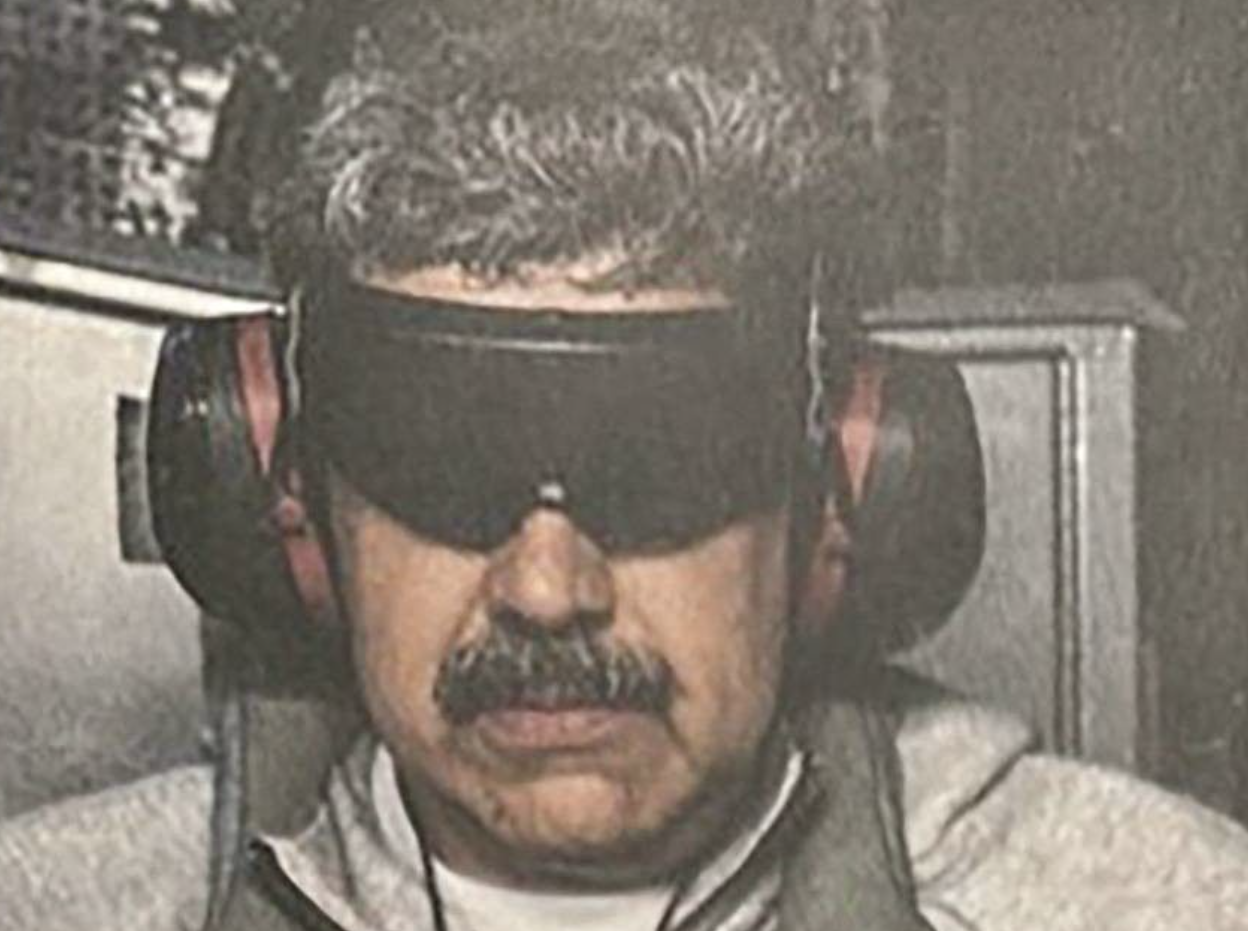
US President Donald Trump's Truth Social Account / AFP
International law is unambiguous on one point: a state’s use of force within the territory of another sovereign state is prohibited except in limited circumstances, such as self-defence or with United Nations Security Council authorisation. Neither condition appears to apply to the Venezuelan operation. Legal experts and institutions, including Chatham House’s International Law Programme, have characterised the U.S. strike and capture of Maduro as a clear violation of Venezuelan sovereignty and the UN Charter.
Even U.S. law does not offer solid cover. While U.S. courts may prosecute foreign leaders brought into the country under doctrines such as Ker-Frisbie - which allows courts to try individuals regardless of how they were brought into custody - that does nothing to legitimise the international legal breach inherent in invading another state to capture its sitting president without consent or mandate.
This isn’t a semantic debate, it is a fundamental test of whether the post-World War II order - built on state sovereignty and non-intervention - still holds any fundamental weight.
Critics have warned that the operation sets a dangerous precedent. Governments from across Latin America and beyond have condemned the action as a breach of sovereignty and a threat to regional stability. Joint statements from several nations underscore that military action on another state’s soil, absent of Security Council approval or overt self-defence, undermines international peace and security.
Even if the target of such an operation is widely condemned - Maduro’s regime is accused of corruption, human rights abuses, and entrenchment of a narco-state - ends do not create lawful means. For international law to retain relevance, it must constrain all actors, powerful and otherwise. When a superpower intervenes unilaterally, the norm against forcible regime change becomes significantly weaker.
It invites emulation and retaliation by others, especially those already adversarial to the West.
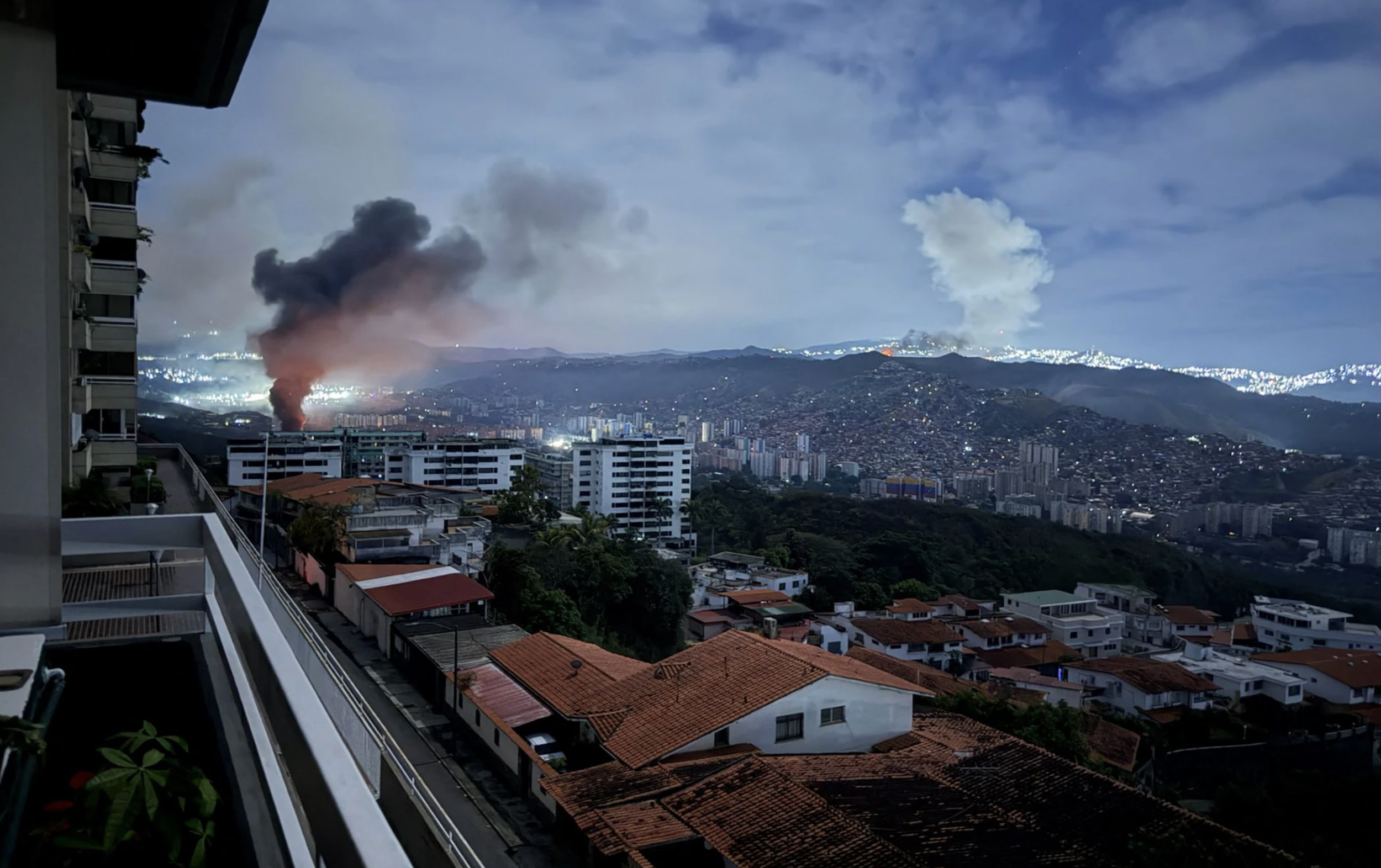
Credit: Jose Abreu/AFP/Getty
The most immediate and consequential concern is how world powers will perceive and respond to this weakening of sovereignty, especially rivals like China and Russia. Beijing has already condemned the U.S. operation as a “blatant use of force against a sovereign state.” European governments and the U.N. have also echoed concerns about violations of the UN Charter.
From Beijing’s perspective, the Venezuelan incident is more than a regional flashpoint - it is a signal about how far a global power is willing to go when it believes its strategic interests are at stake. That has direct resonance with the most volatile flashpoint in East Asia: Taiwan.
China’s long-stated goal of reunification - by force if necessary - has already created intense strategic competition. If the Maduro precedent suggests that might makes right is an implicit rule of the international order, then Beijing may feel less constrained by legalities when calculating its own actions. A Beijing that views the international law regime as selectively enforced may conclude that there are limited consequences for coercive action, especially if it believes Western powers will not or cannot respond militarily on behalf of a partner like Taipei.
Put bluntly: the erosion of sovereignty in one region emboldens actors elsewhere in the world.
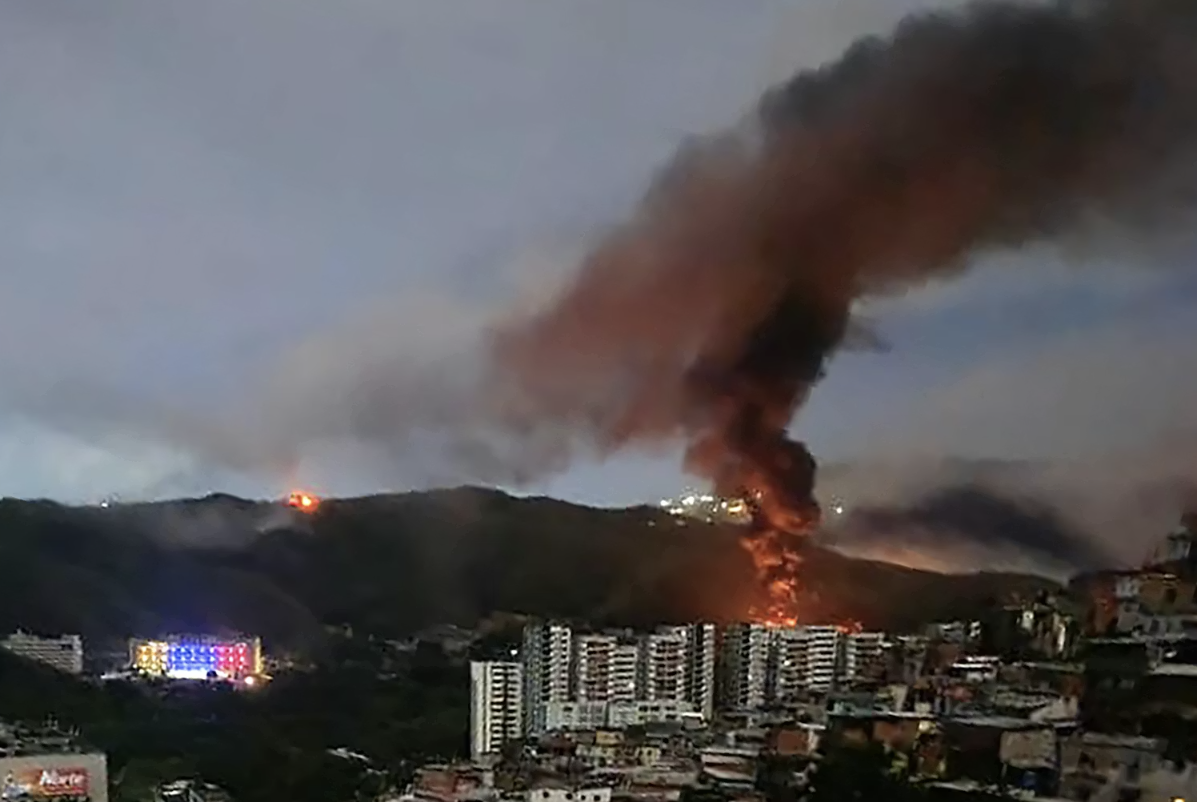
AFP via Getty Images
Modern international relations depend on predictability and reciprocity. States adhere to rules not because they are unenforceable, but because mutual expectation of restraint reduces insecurity and escalation. When major powers openly violate these terms, unpredictability increases.
For Taiwan, the concern isn’t just rhetorical. Beijing has made clear it views Taiwan as a red line. U.S. policy has historically been guided by ambiguity - credible defence commitments without provocation. However, if a superpower demonstrates it is willing to unilaterally penetrate another sovereign state to capture its leader, the deterrent effect of international policy is weakened. In such an environment, crises are more likely to escalate instead of de-escalate.
China will not ignore the Venezuelan precedent. If a perceived international order allows unrestrained use of force, rival states may adopt similar approaches to achieve geopolitical goals - believing international standards are already frayed. That risk extends from Eastern Europe to the South China Sea, and into the Indo-Pacific.
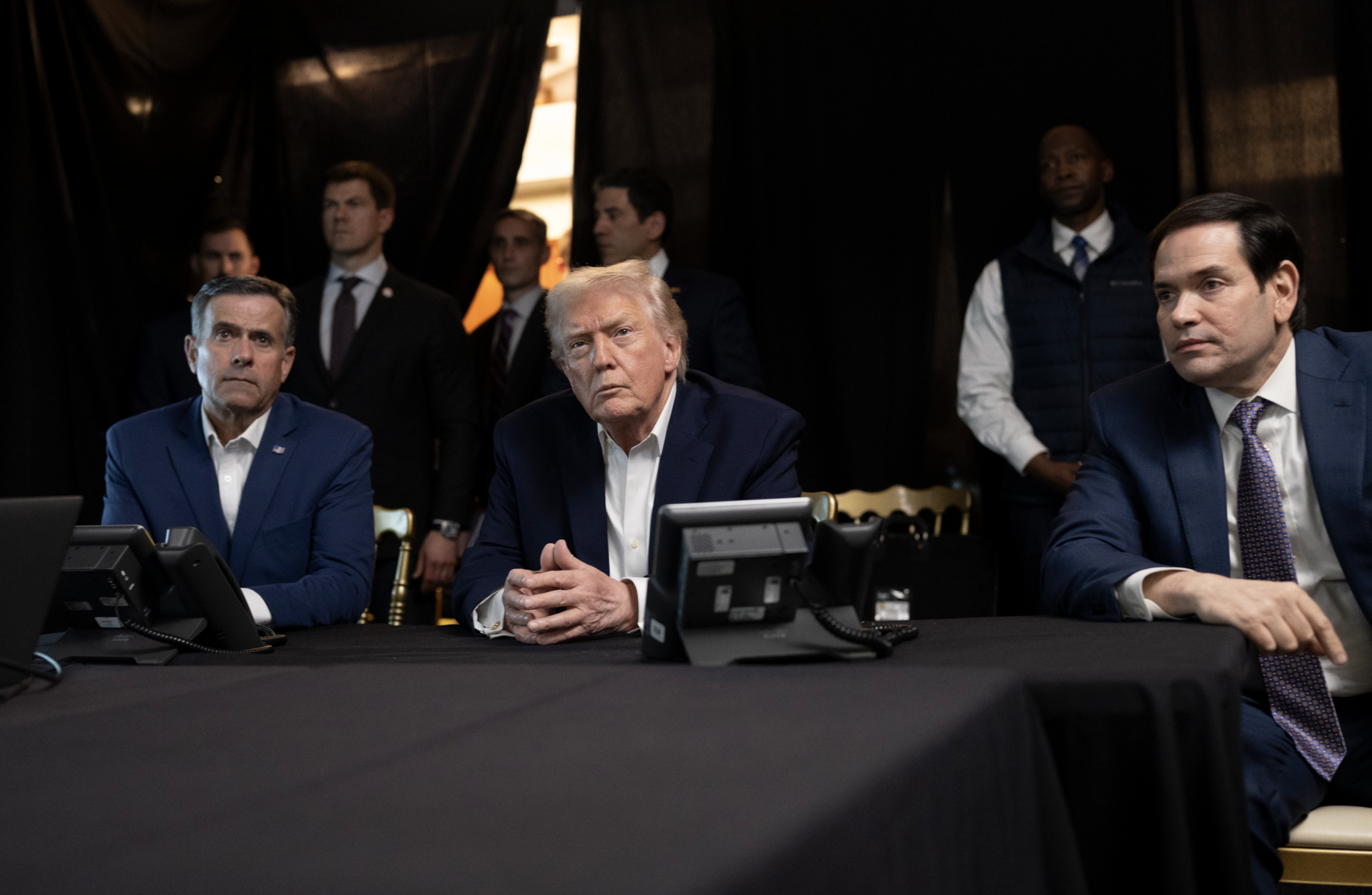
President Donald Trump, CIA Director John Ratcliffe and Secretary of State Marco Rubio monitor U.S. military operations in Venezuela on January 3, 2026. MOLLY RILEY/MAISON BLANCHE VIA AP
Has Trump broken international law? The prevailing assessment among international stakeholders is that yes, the U.S. strike in Venezuela violated key principles of the UN Charter and customary international law. There was no Security Council mandate, there was no imminent threat to justify self-defence, there was no consent from the Venezuelan government.
Whether consequences follow is another matter. Enforcement mechanisms for international law, especially against powerful states, are limited. The International Court of Justice could eventually issue opinions or judgments, but compliance is voluntary for non-consenting states. That underscores the asymmetry at the heart of the current global order: powerful actors can shape norms by violating them with relative impunity.
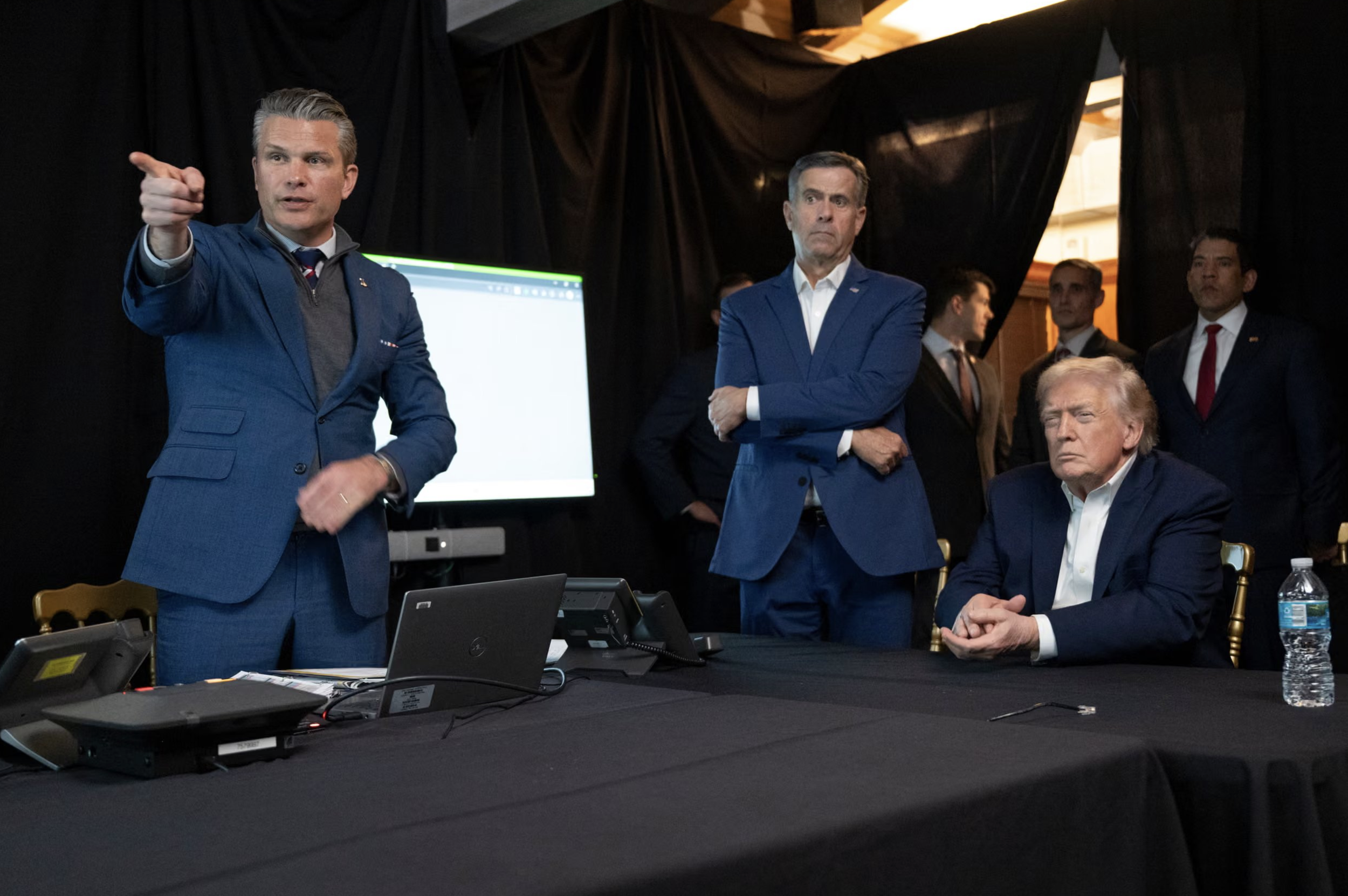
President Donald Trump monitors US military operations in Venezuela with his defence secretary, Pete Hegseth, and the CIA director, John Ratcliffe on January 3, 2026. MOLLY RILEY/MAISON BLANCHE VIA AP
The capture of Nicolás Maduro by U.S. forces is not just another chapter in U.S.-Venezuela relations. It is a watershed moment - a signal that the rules governing sovereign equality and non-intervention can be bent under the weight of power. Whether this becomes an isolated incident or a new structural feature of global politics remains to be seen, but the risk landscape has undeniably shifted.
For global stability - from Latin America to East Asia - the erosion of sovereignty weakens the legal and moral barriers that have prevented interstate conflict on a massive scale since 1945.
In this environment, truth and law must not be sacrificed to expedience. Otherwise, powerful actors emboldened today may set the stage for conflict tomorrow - and Taiwan, among others, watches closely.