
Living with Purpose, Leading with Impact
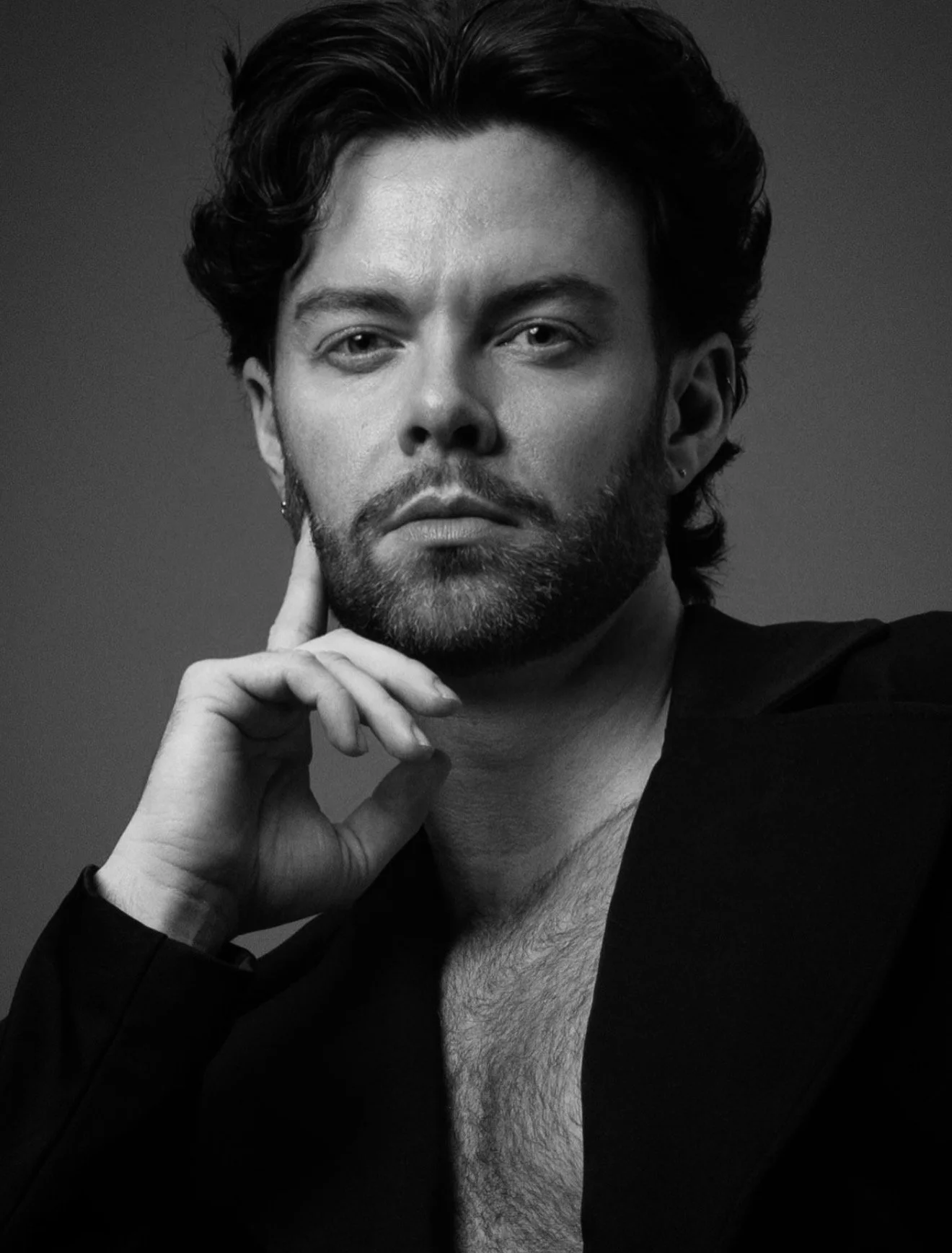
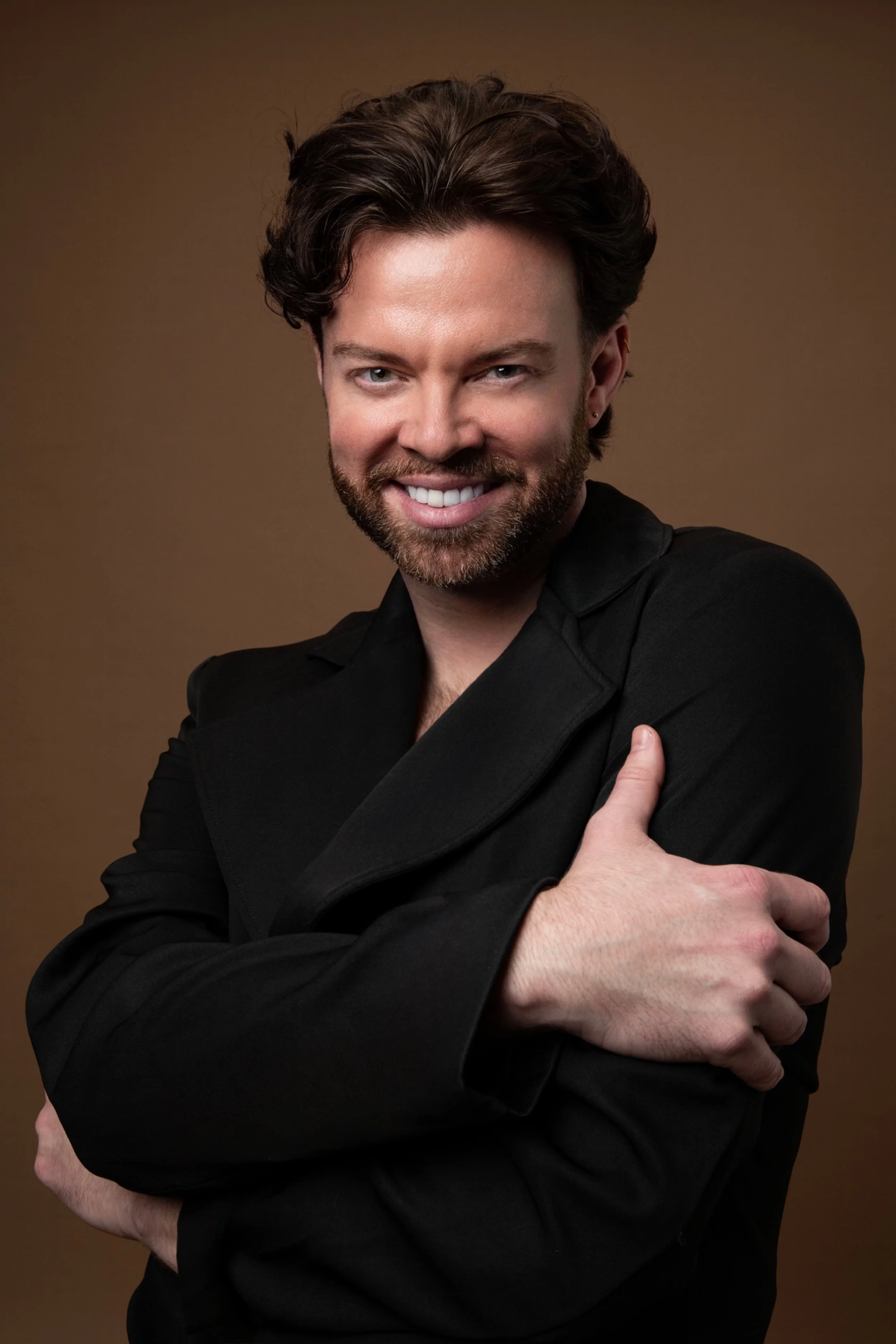
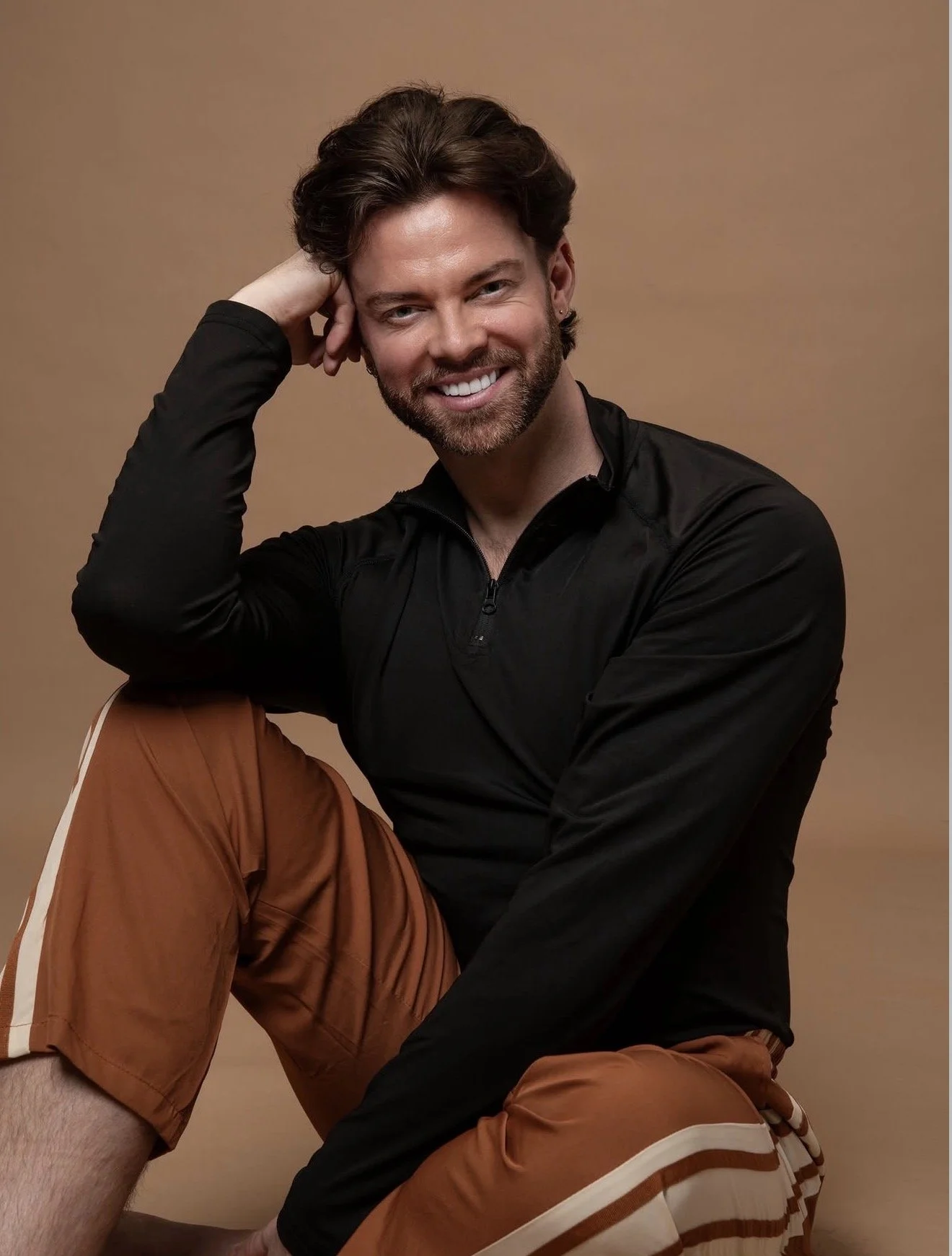
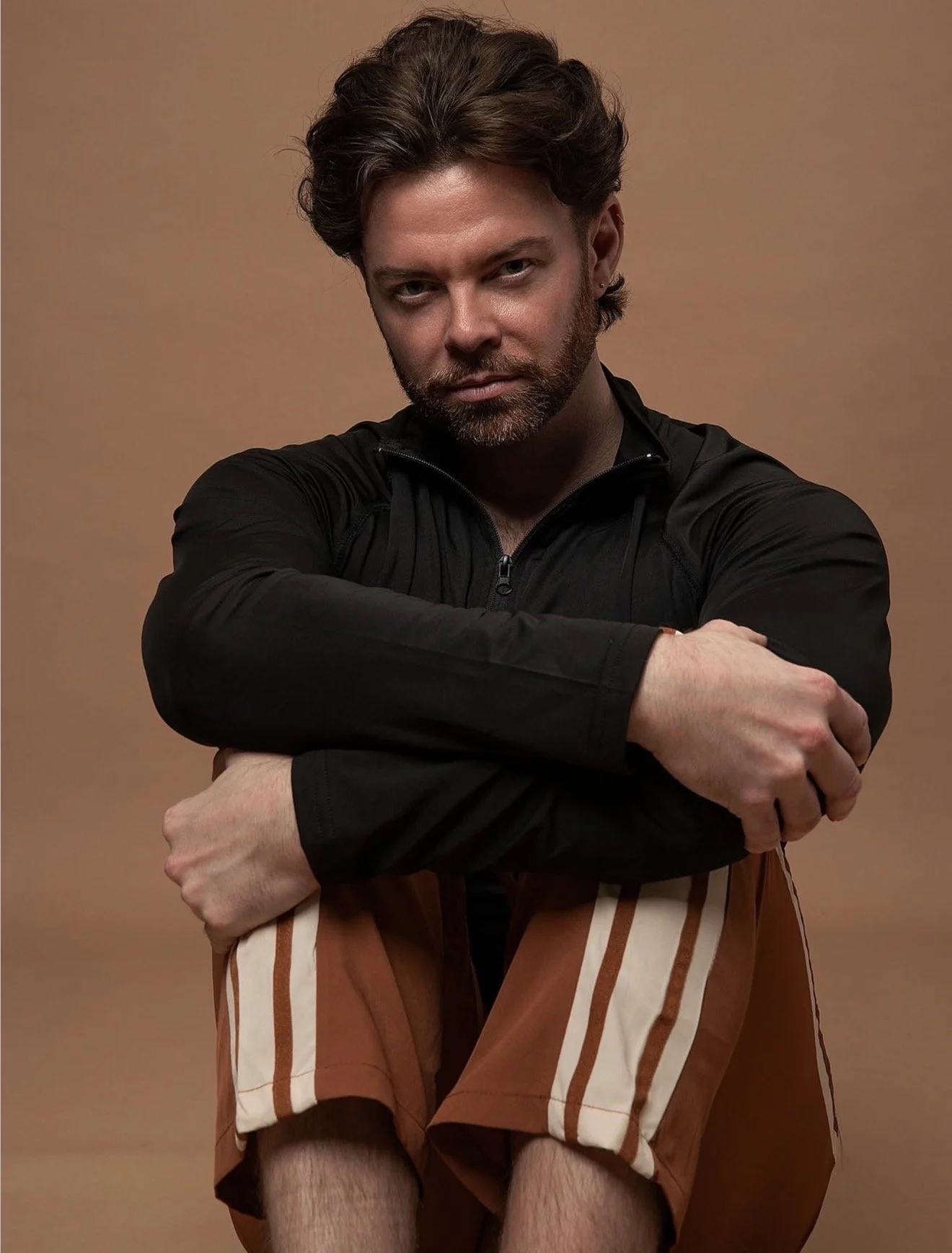
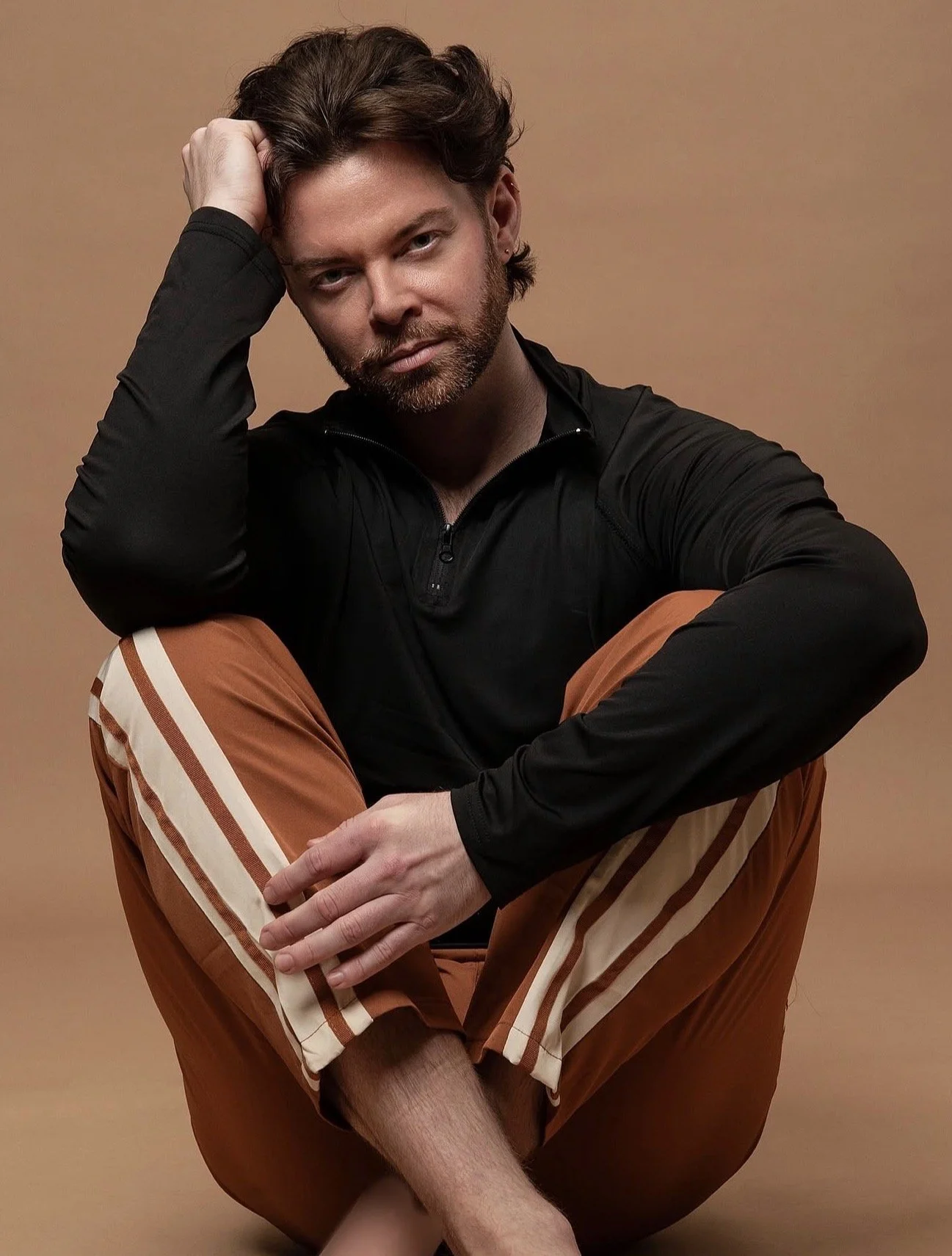
Benjamin Lloyd, Commercial Manager | OUT North East
There are some people whose stories are defined by the titles they hold, others are defined by the lives they touch.
Benjamin Lloyd belongs firmly in the latter.
Performer, educator, advocate, community leader and reigning Mr Gay Great Britain, Benjamin's journey is one shaped not by perfection, but by honesty. Throughout his work, whether on stage, in classrooms, or within the LGBTQIA+ community, he has built a reputation for leading with authenticity and creating spaces where others feel seen, valued and understood.
His story is one of resilience, identity and purpose. It is a story that explores the realities of mental health, sobriety, self-acceptance and the power of visibility. Yet beyond the public roles and accolades is a person committed to something far greater than recognition: connection.
In this conversation, Benjamin reflects on the experiences that have shaped him, the responsibilities that come with representation, and the values that continue to guide his work. From performance and advocacy to allyship and legacy, he offers an honest perspective on what it means to live authentically in a world that often encourages people to hide parts of themselves.
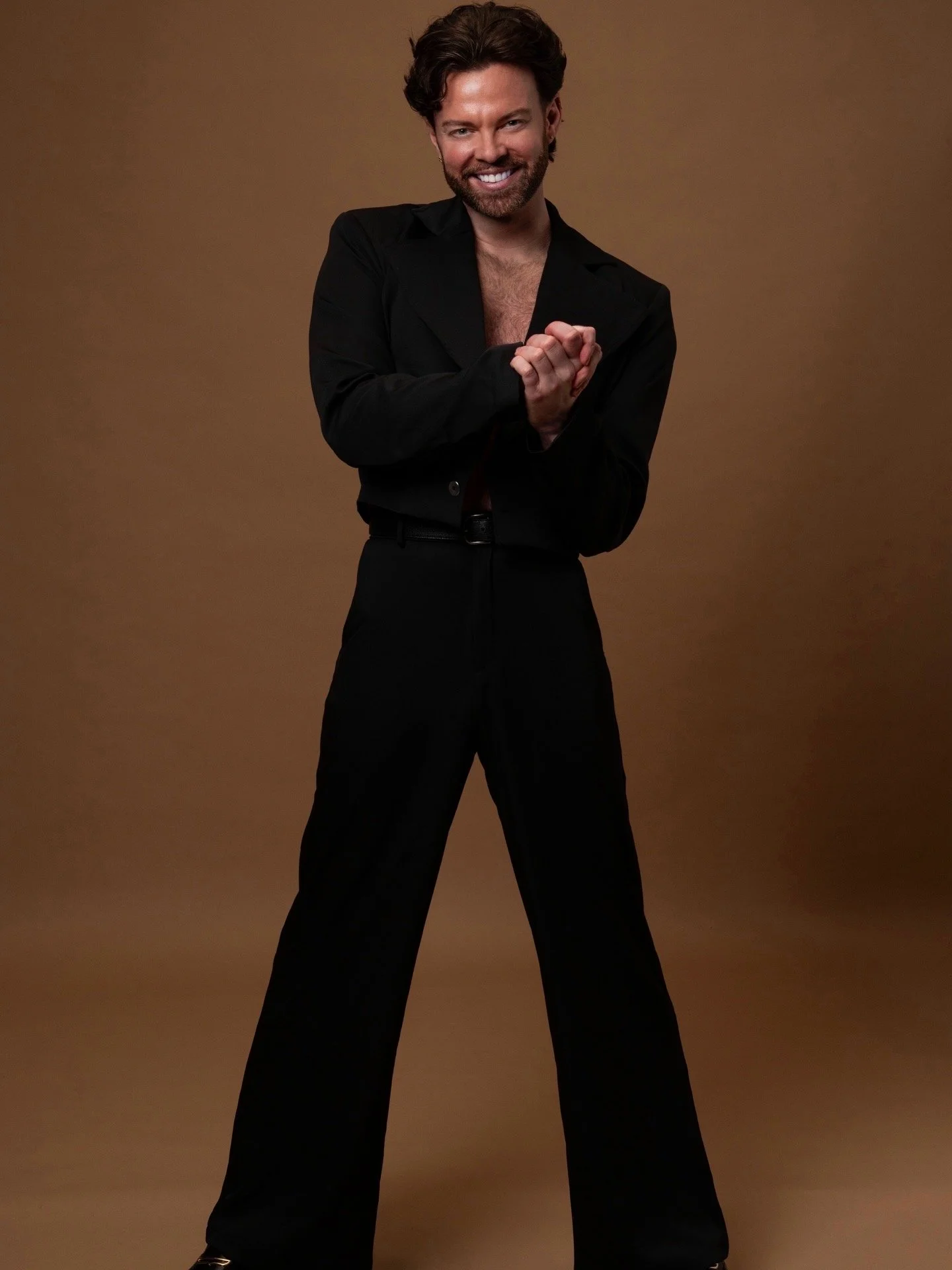
When you strip everything back, who is Benjamin Lloyd, and what has shaped him most?
At my core, I am someone who wants to make people feel seen, valued, and understood. Everything I do, whether it is teaching, performing, or advocacy, comes back to connection. I am shaped by my journey through mental health struggles and sobriety, which forced me to really confront who I am and who I want to be. Those experiences stripped everything back for me. They taught me that strength is not about appearing perfect, it is about being honest, even when that feels uncomfortable. They gave me a sense of purpose that now drives everything I do.
Growing up, what parts of yourself did you feel you had to hide, and how have those parts evolved into strengths today?
Growing up, I hid my identity, my emotions, and my sensitivity. I learned very early on to read a room and adjust myself to feel accepted. I think a lot of people within the LGBTQIA plus community can relate to that. But those parts of me that I once suppressed are now the foundation of my strengths. My sensitivity allows me to connect deeply with students, audiences, and communities. My emotional awareness means I can lead with empathy. And my identity, which I once felt I had to hide, is now something I stand proudly in and use to represent others who may not yet feel able to do the same.
Was there a moment in your life when you truly felt seen for the first time? What did that change for you?
There was not one single moment, it was more of a shift that happened when I started speaking openly about my mental health and my sobriety. The first time I shared those parts of my life and people responded with understanding, not judgement, it changed everything. It allowed me to stop hiding behind a version of myself that felt safe, and start living as someone who felt real. It gave me permission to be honest, and that honesty has been one of the most powerful tools in both my personal life and my work.
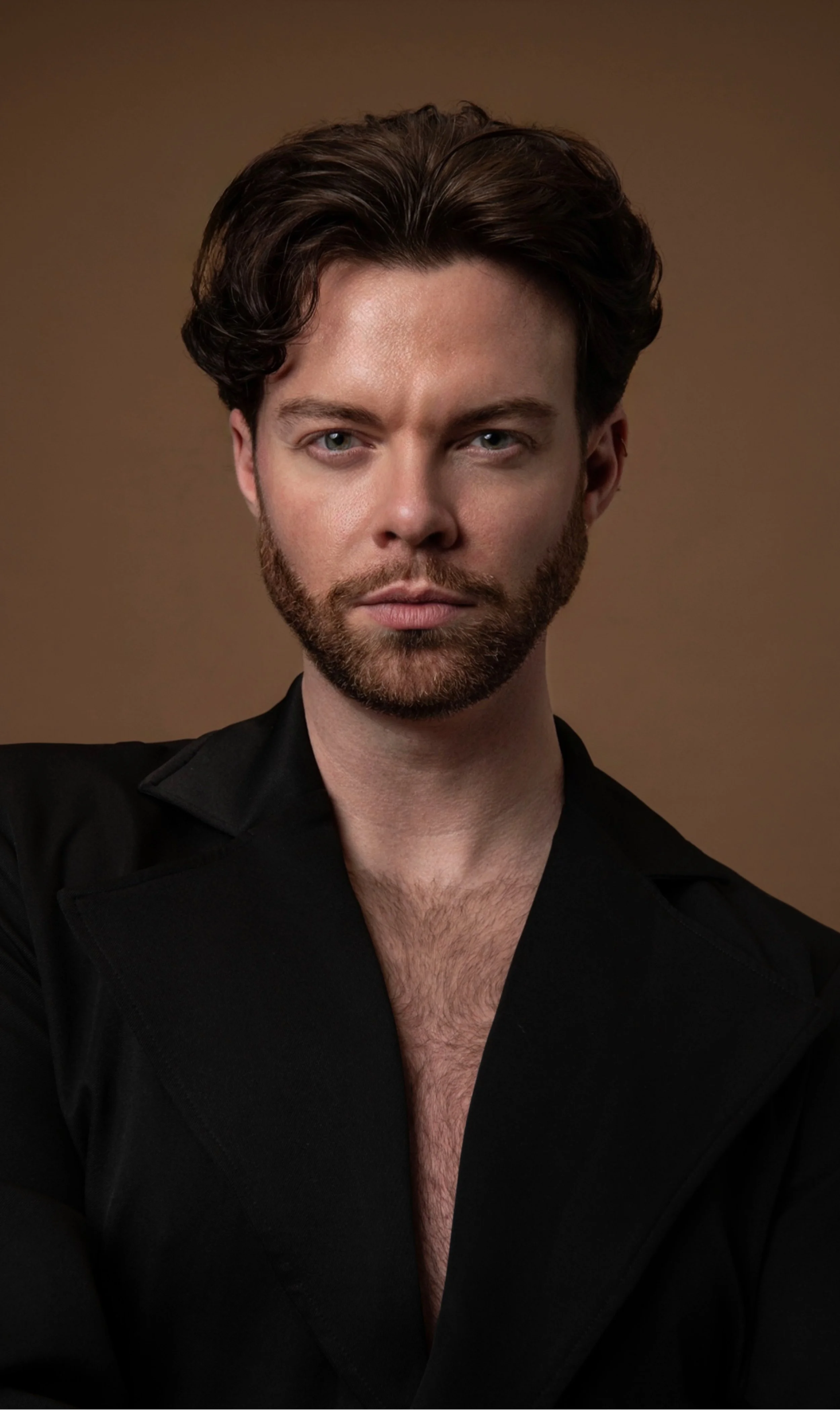
Performance is often about stepping into other people’s stories, how has it helped you better understand your own?
Performance has always been a way for me to explore parts of myself that I did not fully understand at the time. When you step into someone else’s story, you are forced to tap into emotion, vulnerability, and truth. That process has helped me understand my own experiences more clearly. It has allowed me to process things I could not always articulate and has given me a language for emotions that I once struggled to express.
What does the stage give you that real life sometimes does not, and vice versa?
The stage gives me a sense of freedom and permission. It allows me to fully express emotion without fear of judgement. There is a safety in storytelling that sometimes feels easier than real life. Real life, however, gives me something much deeper. It gives me genuine connection, impact, and the ability to make a difference beyond a moment. The stage may create a feeling, but real life allows you to change something.
Have you ever felt tension between who you are privately and who people expect you to be publicly? How do you navigate that?
Yes, there is definitely a tension at times. People can expect you to always be confident, strong, and put together, especially when you are in a visible role. But the reality is, I am human. I navigate that by grounding myself in authenticity. I remind myself that my role is not to be perfect, it is to be honest. I allow myself to be open about challenges while still holding myself accountable to lead with purpose and integrity.
What did the responsibility feel like in the days immediately after you won Mr Gay Britain?
In the days after winning, there was a huge sense of pride, but also a real weight of responsibility. It was not just about me anymore. I was representing a community, and that made me reflect very quickly on how I wanted to use that platform. I felt a strong drive to ensure that my voice was used to make a difference, particularly around mental health, sobriety, and creating safe spaces within the LGBTQIA plus community. It made everything feel more purposeful.
Visibility can sometimes feel performative, how do you ensure yours remains authentic?
For me, authenticity comes from honesty. I do not want to present a polished version of life that is not real. I share the highs, but I also share the challenges. I talk openly about my journey because I know that is where people connect. If my visibility can help even one person feel less alone, then it has purpose. I constantly check in with myself and ask whether what I am doing is genuinely making a difference or just being seen.
What is a conversation you have had since winning that has stayed with you?
A conversation that has stayed with me was with someone who said that hearing me speak about my mental health and sobriety made them feel like they could open up about their own struggles. That really stayed with me because it reinforced that visibility, when it is authentic, can create real change. It reminded me that this role is not about recognition, it is about impact.
What does the LGBTQIA+ community mean to you beyond its label? Where have you felt its power most personally?
To me, the LGBTQIA plus community is about belonging, resilience, and shared understanding. It is a space where people can exist as they are without needing to explain themselves. I have felt its power most in moments of connection, whether that is through Pride, community spaces, or even one to one conversations where someone feels safe enough to be themselves. It is in those moments that you realise how important visibility and representation really are.
Where do you think the conversation around LGBTQIA+ visibility is evolving, and where is it still falling short?
Visibility has grown massively, and that is something to be proud of. We are seeing more representation in media, education, and public spaces. But I think where it still falls short is in depth and support. Visibility alone is not enough if it is not backed up with understanding, resources, and protection. We need to continue pushing for conversations around mental health, inclusion, and equality that go beyond surface level representation.
Trans rights and inclusion?
For me, supporting the LGBTQIA plus community means standing fully with our trans community. Trans rights are human rights, and it is incredibly important that we are not selective in who we advocate for. There is still so much misinformation, misunderstanding, and discrimination that trans individuals face daily. As someone in a visible position, I feel a responsibility to use my voice to support, uplift, and stand alongside trans people. Advocacy is not just about speaking when it is comfortable, it is about standing up when it matters most.
If your younger self could see you now, what do you think he would say?
I think my younger self would feel a mix of emotions. I think he would feel relief that he made it to a place where he can be open, confident, and proud of who he is. I think he would feel comfort in knowing that the things he once struggled with do not define him anymore. But I also think he would be emotional, because there were times where he did not think this version of life was possible. I would want him to know that everything he went through had purpose, and that one day he would be able to use those experiences to help other people feel less alone.
What does meaningful allyship look like to you, particularly in your role at OUT North East?
Meaningful allyship, especially in my role at OUT North East, is about moving beyond intention and into real, visible action. It is not enough for organisations to say they support the LGBTQIA plus community, it is about how that support shows up in practice, consistently and authentically.
For me, a huge part of that is the partnerships I build. As Commercial Manager, I have a responsibility to ensure that the organisations we work with are not just looking for visibility, but are genuinely invested in supporting the community. That means creating opportunities where businesses can give back in a meaningful way, whether that is through funding community initiatives, supporting workshops, or helping us create safe and inclusive spaces within the ONE Centre.
At the same time, allyship is not one sided. It is not just about organisations supporting us, it is also about our community being a strong and valuable partner in return. That means making sure our partners feel supported, valued, and connected to the work we are doing. It is about creating relationships that are collaborative, where both sides benefit and grow together. When partnerships are built on mutual respect and shared purpose, the impact is far greater.
It is also about making sure that everything we offer has purpose behind it. For example, something like our Pride Wall is not just about visibility, it is about creating a space where organisations can publicly stand in support while also contributing directly back into the community through workshops and engagement. The same applies to our Pride Guide and Pride Radio. These are not just advertising platforms, they are tools to amplify voices, share stories, and connect people to support, services, and opportunities.
Another key part of allyship for me is accountability. It is about having honest conversations with partners and challenging where needed. If something does not feel inclusive or aligned with our values, it is important to address that. Allyship is not always comfortable, but it has to be consistent and genuine to have real impact.
Listening is also at the heart of it. OUT North East is built around community, so it is vital that we are not just speaking on behalf of people, but actually creating space for them to be heard. That includes making sure we are representing the full diversity of the LGBTQIA plus community, including trans voices, which are so important, especially at a time where they are facing increased challenges and scrutiny.
Ultimately, meaningful allyship in my role is about creating real opportunities, building genuine relationships, and ensuring that everything we do contributes to making people feel safe, supported, and seen. It is about shared impact, not just intention.
What is the hardest truth you have had to accept about yourself, and how did it change you?
The hardest truth I have had to accept is that I cannot control everything, and I cannot be everything to everyone. For a long time, I put a lot of pressure on myself to meet expectations, often at the expense of my own wellbeing. Accepting that has allowed me to set boundaries, prioritise my mental health, and focus on what truly matters. It has made me a stronger and more grounded person.
Have you ever questioned your path or felt like stepping away from it all? What pulled you back?
Yes, there have been moments where I have questioned everything, especially during more challenging times in my life. What always pulls me back is purpose. When I reflect on the impact I can have, whether through teaching, performing, or advocacy, it reminds me why I started. It is not always easy, but it is always worth it.
What does resilience actually look like for you on a day when you do not feel strong?
Resilience on those days looks very different. It is not about pushing through or pretending everything is fine. It is about showing up in whatever way I can, even if that is at a slower pace. It is about asking for support, being honest with myself, and allowing space to reset. Sometimes resilience is quiet, but it is still there.
How do you define success when your life spans multiple worlds?
Success for me is about alignment across everything I do. I work across performance, education, and advocacy, and for a long time I felt like I had to separate those worlds. Now I see them as one. Success is when all of those areas connect and feed into each other in a way that feels purposeful.
It is about impact over recognition. Of course, achievements and titles are amazing, but they are not what sustain you. What stays with me are the moments where I know I have made a difference, whether that is a student growing in confidence, someone reaching out because they felt seen through something I shared, or creating a space where people feel safe to be themselves.
It is also about fulfilment. I want to feel proud of how I show up, not just what I achieve. If I am doing work that reflects who I am, supports others, and contributes something meaningful, then that is success to me. It is not about one destination, it is about how I am living day to day.
What kind of legacy are you intentionally trying to build, and what would you refuse to compromise to achieve it?
The legacy I want to build is one rooted in honesty, compassion, and real impact. I want to be known as someone who made people feel seen and understood, not just through what I said, but through what I created and how I showed up for others.
I think legacy is often thought of as something big and distant, but for me it is also in the small, consistent moments. It is in the way I support my students, the way I represent the community, and the way I use my platform to have honest conversations about mental health, sobriety, and identity.
What I would never compromise is my authenticity. There will always be opportunities that might look good on the surface but do not align with who I am or what I stand for. I have learned that saying no to those is just as important as saying yes to the right things. I would also never compromise the responsibility I have to represent the LGBTQIA plus community in a way that is respectful, inclusive, and genuine. My values have to come first, because without them, the work loses its meaning.
Looking ahead, what are you most excited to build, not just achieve?
I am really excited about building spaces and platforms that bring people together in a meaningful way. That could be through performance, through education, or through community work, but the core of it is connection.
I want to build opportunities for people who may not always feel like they have a place. Whether that is young people finding confidence through performing arts, or individuals within the LGBTQIA plus community finding safe and supportive spaces, I want to create environments where people can grow and feel empowered.
I am also excited about building something that has longevity. Not just one moment or one achievement, but something that continues to support and impact people beyond me. That idea of creating something that lasts and continues to make a difference is what really drives me.
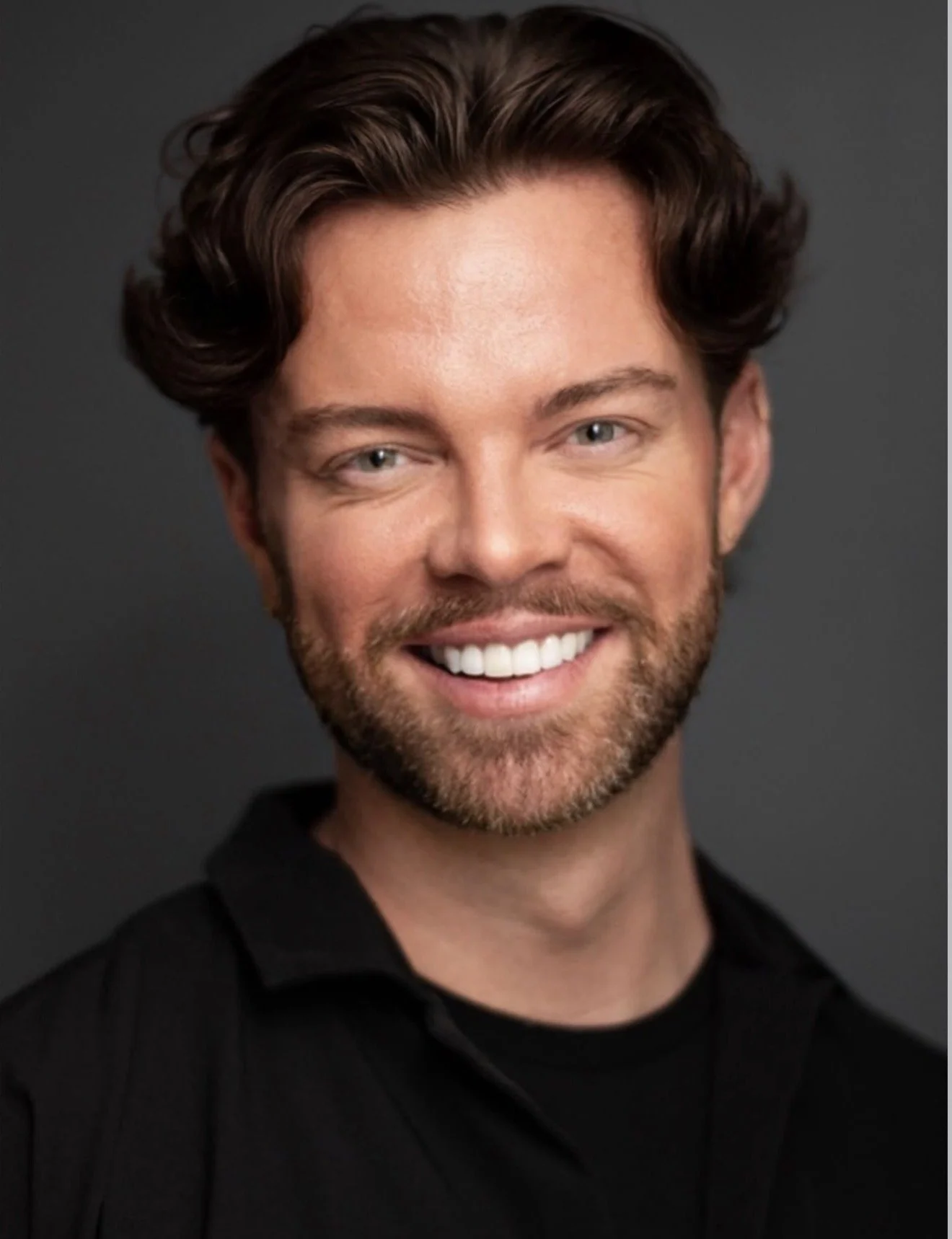
The legacy I want to build is one rooted in honesty, compassion, and real impact.
I want to be known as someone who made people feel seen and understood, not just through what I said, but through what I created and how I showed up for others.
What is something you are currently unlearning?
I am unlearning the idea that I need to have everything figured out before I move forward. For a long time, I felt like I needed clarity and certainty before taking the next step, and that often held me back.
Now I am learning to trust the process more. Growth is not linear, and it is not always clear. Sometimes you learn by doing, by making mistakes, and by figuring things out as you go. I am also unlearning the pressure to always appear in control. It is okay to be evolving, and it is okay not to have all the answers.
What is one belief you hold that might challenge other people’s thinking?
I strongly believe that vulnerability is a form of strength. I think there is still a mindset, especially within certain environments, that being open about struggles or emotions is a weakness. But in my experience, it is the opposite.
When you allow yourself to be honest, you create space for others to do the same. That is where real connection happens, and that is where change begins. Some of the most powerful moments I have experienced have come from being open about things people often feel they need to hide.
I think challenging that idea is important, because it shifts how we support each other, particularly around mental health.
If this chapter of your life had a title, what would it be?
I would call this chapter Living With Purpose, Leading With Impact.
It feels like a point in my life where everything I have been through is starting to align. My experiences, both the challenges and the achievements, are now shaping the work I am doing and the way I show up in the world.
It is not just about personal growth anymore, it is about how that growth translates into helping others, creating opportunities, and making a difference. There is a real sense of intention behind everything I am building, and that is what defines this chapter for me.
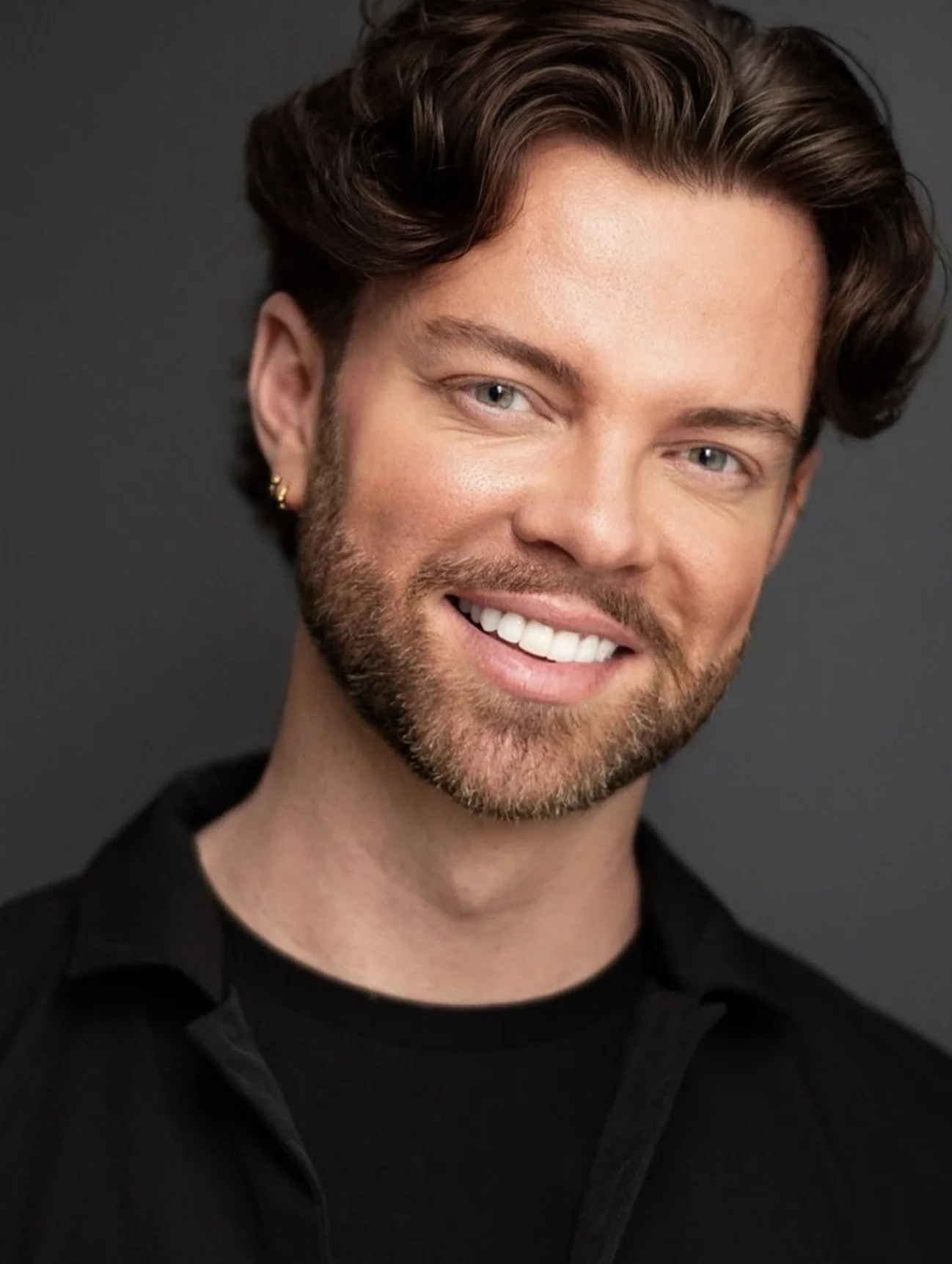
Throughout this conversation, a clear thread emerges: the belief that visibility is most powerful when it is rooted in authenticity.
Benjamin Lloyd's journey is not presented as a story of having all the answers. Instead, it is a story of continual growth, of learning to embrace vulnerability, and of using personal experiences to create meaningful change for others. Whether discussing mental health, sobriety, performance, education or advocacy, he returns consistently to the same principle: people deserve to feel seen.
At a time when public conversations around identity, inclusion and belonging continue to evolve, Benjamin's perspective serves as a reminder that genuine impact often begins with honesty. The courage to tell one's own story can create space for others to tell theirs.
As he looks towards the future, his focus remains not on personal achievement alone, but on building communities, opportunities and platforms that empower others.
If this chapter of his life is, as he describes it, Living With Purpose, Leading With Impact, then it is clear that the legacy he is building is one measured not by titles or recognition, but by the lives changed along the way.
Perhaps that is the most meaningful achievement of all.