

Britain's latest negotiations with the European Union expose a fundamental challenge of modern government: how to pursue economic growth, international cooperation and national competitiveness while respecting the democratic decision and social considerations that continue to shape the country's relationship with Europe.

The language surrounding Britain's relationship with the European Union is becoming familiar again: surrender, sovereignty, control, betrayal.
A decade after the Brexit referendum, the political vocabulary of Britain's departure from the European Union continues to shape how almost every development in the relationship is interpreted. Even practical negotiations over trade, regulation, education and mobility are quickly drawn into a much wider argument about the country's political direction.
A recent Daily Mail article, headlined 'Burnham's "surrender" deal with EU "is done"', offers a particularly clear illustration. Its reporting on the Government's proposed agreements with Brussels having reignited debate around food standards, youth mobility and the potential reduction of university tuition fees for European students.
The proposals are politically sensitive, and they raise important questions about the economic consequences of Britain's relationship with its largest nearby trading bloc, the limits of regulatory independence and the extent to which international cooperation can support domestic prosperity.
Yet, the significance of the announcement extends beyond the individual agreements.
It raises a more fundamental question about the responsibilities of government: how does a country move forward from a defining democratic decision without disregarding the people, concerns and expectations that shaped it?
For Britain, this is no longer a question about Brexit - it is a question about political leadership, economic strategy and the difficult business of governing a society with competing priorities.

The 2016 referendum was one of the most consequential political decisions in modern British history. Its result reflected a combination of arguments and experiences, including sovereignty, immigration, economic opportunity, national identity, democratic accountability and dissatisfaction with established political institutions.
For some, leaving the European Union represented an opportunity to reclaim control over national policy and determine a different economic future. For others, it represented a departure from an important political, commercial and institutional relationship that had helped shape Britain's position in Europe and the wider world.
Those differences were not resolved by the referendum, they were given a democratic outcome, but the underlying social and political questions have continued to influence the country, and this distinction matters when considering the current negotiations.
A government has a responsibility to respect the outcome of a referendum. Democratic legitimacy cannot be treated as an obstacle to be circumvented when political circumstances become inconvenient. Equally, a referendum does not remove the responsibility of subsequent governments to respond to changing economic conditions, international developments and the practical needs of the country. The political challenge, for Prime Minister Burnham and those who preceeded him and will succeed him, is to reconcile those obligations.
The mistake would be to assume that respecting the decision to leave the European Union requires the UK to resist every opportunity for closer cooperation. Equally, it would be wrong to assume that the economic case for closer alignment automatically overrides the democratic and social considerations that accompanied Brexit. Neither position offers a sufficiently sophisticated basis for governing.
The task at hand is now to establish what arrangements best serve Britain's interests today, while being transparent about the compromises involved and respectful of the public's authority to determine the country's longer-term direction.
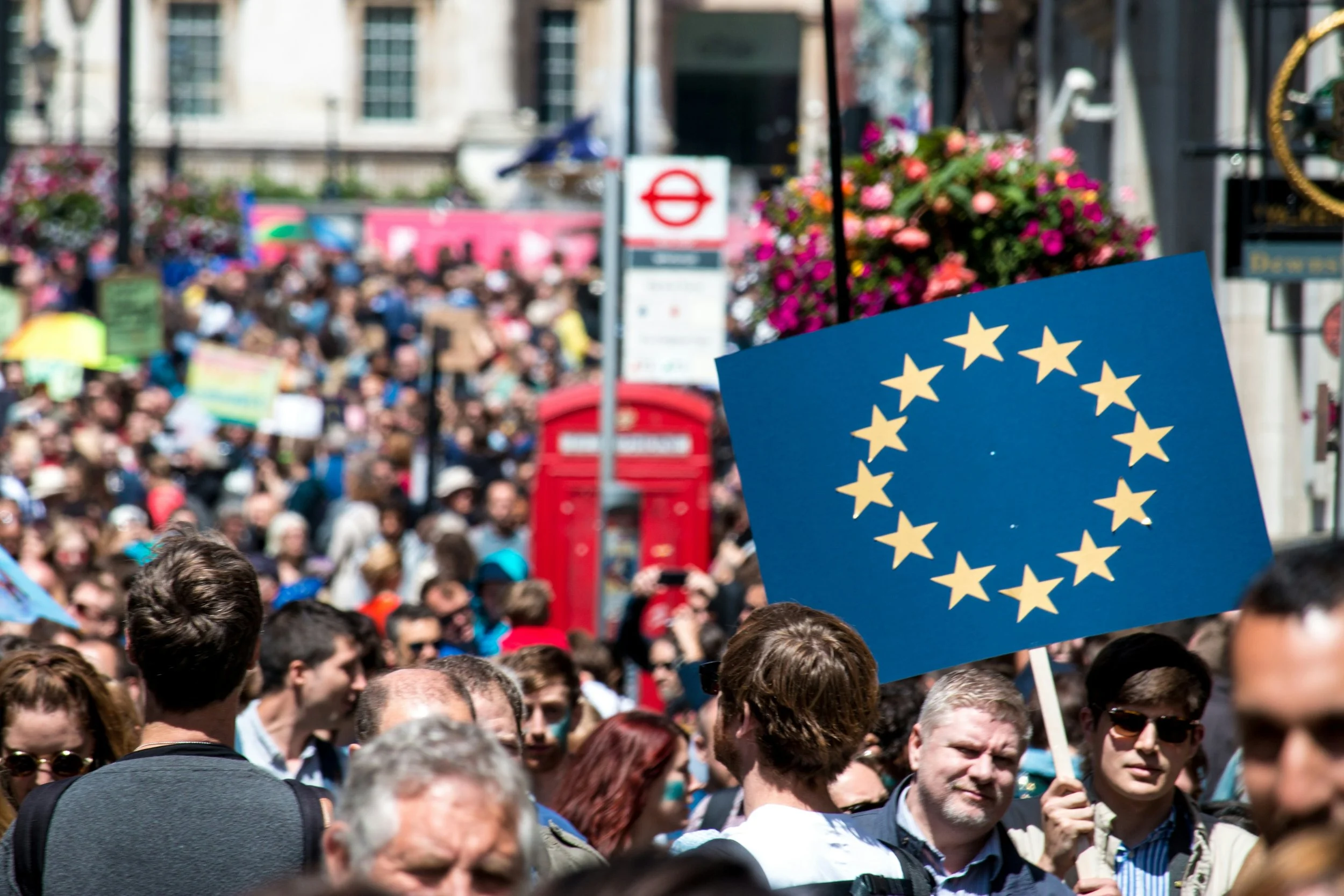
For business leaders, investors and institutions, the practical implications of Britain's relationship with Europe are considerable.
The European Union remains a major market, regulatory environment and source of investment, talent and industrial collaboration. The terms on which British organisations access that market can influence supply chains, operating costs, investment decisions, recruitment, research partnerships and long-term competitiveness. These are not abstract questions of diplomatic positioning, they affect the conditions in which businesses operate.
The proposed sanitary and phytosanitary agreement is an example. The intention is to reduce friction in trade by establishing closer arrangements around food safety, animal health and plant health rules, and for businesses involved in agriculture, food production, distribution and retail, the removal of unnecessary checks and administrative barriers could offer practical advantages.
For smaller exporters, the administrative burden associated with cross-border trade can be particularly significant. For larger businesses, regulatory divergence can introduce additional costs, complexity and uncertainty across established supply chains, so closer alignment may therefore have a credible economic rationale. However, the commercial benefits must be considered alongside the policy implications. Dynamic alignment with relevant EU rules would mean the UK accepting an ongoing relationship with a regulatory framework determined, in significant part, outside its own institutions.
The question for government is whether the economic benefits of a more predictable trading environment outweigh the constraints associated with that arrangement, and how the UK intends to retain meaningful influence over the standards and decisions affecting its businesses.
For companies operating across multiple jurisdictions, the wider lesson is familiar: regulatory certainty and regulatory autonomy are not always the same thing. Businesses may value consistency and access to markets, but they also need to understand how policy decisions are made, where future obligations may arise and how much flexibility remains available.
A well-designed agreement should therefore be assessed by its longer-term implications for competitiveness, investment and the UK's position within European supply chains.

The proposed youth mobility arrangement introduces another dimension to the debate.
The Daily Mail's description of the proposal as a return to 'free movement' is politically charged. The arrangement under discussion is a separate, temporary mobility scheme rather than a restoration of the general freedom of movement that applied when the UK was an EU member. Reporting by Reuters on 3 November indicates that the proposed scheme could allow people aged 18 to 34 to live in the other jurisdiction for up to three years for work, study, volunteering or travel. The precise terms remain subject to the negotiating process.
There are legitimate arguments in favour of such an arrangement.
International experience can strengthen professional development, cultural understanding and educational opportunity. For businesses, access to international talent and the ability to move people between markets can support collaboration, specialist skills development and commercial expansion.
Universities, research institutions and employers may also benefit from stronger links with European counterparts. The proposed return to Erasmus+ participation from 2027 could provide another route for educational and academic cooperation, but mobility cannot be considered solely through the lens of economic productivity.
Immigration has been one of the most politically sensitive aspects of the Brexit debate. Questions about population growth, housing, public services, employment, wages and the capacity of local communities to absorb change are not peripheral concerns, they are part of the wider social environment in which migration policy must operate.
For government, the challenge is to distinguish between different forms of mobility, explain their purpose and establish clear conditions under which they operate. A temporary, reciprocal scheme for younger people is not equivalent to unrestricted movement between countries, but the public is entitled to understand how it will work, how participation will be managed, what safeguards will apply and what benefits it is expected to deliver.
For businesses, this is equally important. Talent mobility is valuable, but it operates within a political and social framework - organisations that depend on international recruitment, cross-border collaboration or specialist skills cannot afford to ignore the public policy environment in which those arrangements are negotiated.
The long-term success of any mobility policy will depend not only on its economic rationale, but also on whether it is understood, trusted and regarded as fair.

The reported discussions around university tuition fees introduce a further consideration: the relationship between international cooperation, public expenditure and domestic priorities.
The Daily Mail has reported that the Government could face an annual cost of up to £450 million in connection with reducing fees for European students, that figure should be treated cautiously. Reuters reported on 3 November that the two sides were expected to commit to completing negotiations on equal treatment for tuition fees within six months, rather than having already agreed a final arrangement. Equal treatment would not necessarily mean that all European students would pay the same domestic rate as UK students.
Nevertheless, the underlying issue deserves scrutiny.
British universities operate in a difficult financial environment. They are major employers, research institutions and contributors to regional and national economic development, and their international relationships support research, innovation, knowledge exchange and the movement of skilled people.
A more predictable arrangement for European students could strengthen those relationships and make the UK a more attractive destination for international education, it could also provide reciprocal opportunities for British students studying elsewhere in Europe, but there are legitimate questions about the financial implications, the distribution of costs and the fairness of any arrangement to domestic students.
The wider industrial context is also relevant. Reuters has reported that discussions around tuition fees may be connected to Britain's efforts to secure recognition as a trusted partner under the EU's proposed Made in Europe framework, which could affect access to public procurement and subsidy arrangements, and this is particularly relevant to sectors such as automotive manufacturing.
If that connection is borne out, the negotiations illustrate the complexity of modern economic diplomacy. A policy area that appears to concern higher education may form part of a much wider discussion about industrial competitiveness, market access and the position of British businesses within European supply chains.
For policymakers, the responsibility is to demonstrate that any financial commitment represents a proportionate and defensible investment in the national interest. For business leaders, it is a reminder that international agreements rarely operate in isolation. Concessions, incentives and reciprocal arrangements can be linked across sectors, with consequences that extend well beyond the immediate subject of negotiation.
The question is what that cost secures, who benefits, who carries the burden and whether the longer-term value can be demonstrated.
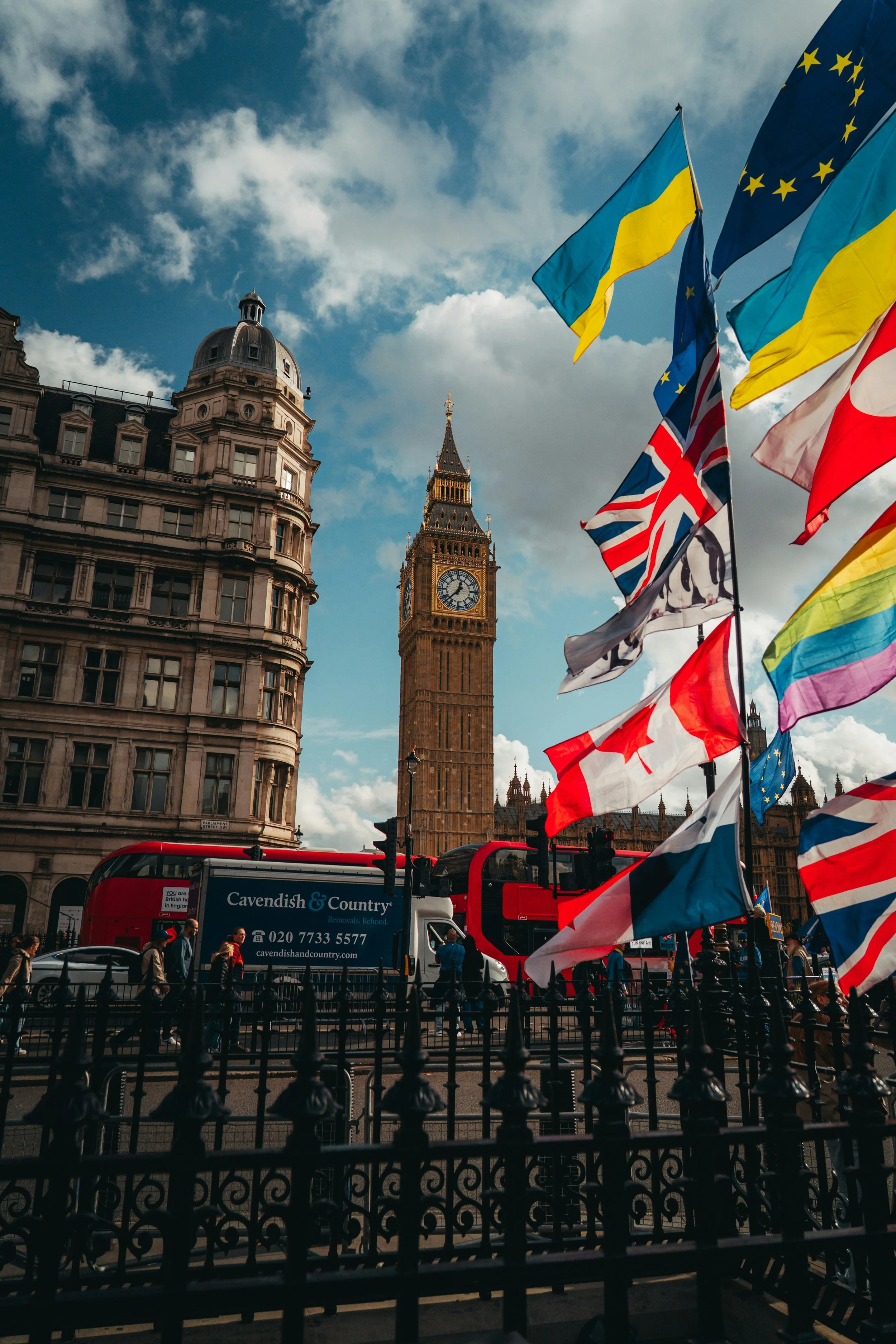
There is a wider social consideration running through all three areas of negotiation. Brexit exposed divisions that were not exclusively about Britain's membership of the European Union, they were also about geography, identity, opportunity, economic insecurity and confidence in political institutions.
For many people, the referendum was an opportunity to express concerns that they felt had not been adequately recognised by the political establishment and those concerns should not be dismissed because the economic circumstances have changed or because the political debate has moved on. Equally, the public should not be assumed to hold a single, permanent position on every aspect of Britain's relationship with Europe. Views evolve, experiences change, economic pressures develop, and the responsibilities of government must reflect that reality.
This is where political communication becomes consequential.
A government may negotiate an agreement that delivers tangible economic benefits and still struggle to secure public confidence if it cannot explain why the agreement is necessary, what compromises it involves and how its benefits will be experienced domestically. The language used to describe policy matters. Presenting every compromise as a surrender can make pragmatic cooperation appear inherently illegitimate, but presenting every criticism as hostility to progress can make genuine public concerns seem unwelcome. Both approaches risk narrowing the debate rather than improving it.
Political trust depends on more than the announcement of a policy or the presentation of an economic forecast, it requires a credible explanation of the choices being made, the interests being protected and the consequences that may follow. It also requires consistency, whereby if a government establishes clear commitments about the limits of its relationship with the EU, it must be able to demonstrate how subsequent negotiations operate within those commitments. If it believes the national interest requires a different long-term relationship, it must make that case openly and seek the appropriate democratic mandate.
Prime Minister Andy Burnham has reiterated that he has not proposed restoring general freedom of movement and that the public must determine any future fundamental change to the UK's relationship with Europe, and he has also maintained the Government's manifesto commitments ruling out a return to the customs union, single market or general freedom of movement during this Parliament.
That position recognises an important principle: governments can explore practical arrangements and consider future options, but they should not presume consent for a fundamental change in national direction.
The credibility of that will ultimately be judged through the detail of the agreements, the clarity of the Government's communication and the extent to which public confidence is maintained.

For internationally active businesses, the debate has implications that extend well beyond Westminster and Brussels.
The relationship between political decisions and commercial performance is becoming increasingly difficult to separate. Regulatory frameworks, industrial policy, trade arrangements, migration rules and diplomatic relationships all influence the environment in which organisations invest, compete and grow.
For a business operating across the UK and European markets, changes to food standards or regulatory alignment may affect compliance requirements, procurement and supply-chain planning. For manufacturers, access to industrial programmes and public procurement opportunities may influence investment decisions and the location of production. For universities, technology businesses and life sciences organisations, mobility and research arrangements can shape the availability of talent and the strength of international partnerships.
These developments require organisations to understand the direction of policy, the interests of the institutions involved, the stakeholders capable of shaping outcomes and the wider political considerations that may determine whether an agreement is implemented successfully. There is also a reputational dimension - businesses operate within communities and political environments in which public attitudes matter, and an organisation's position on trade, employment, migration or regulation can become part of a broader debate about economic fairness, national priorities and social responsibility.
The ability to interpret those dynamics is an increasingly important component of strategic decision-making.
This is particularly relevant for multinational organisations and businesses considering investment in markets where political relationships, regulatory alignment and institutional cooperation are changing, commercial opportunity cannot be assessed independently of the political conditions that enable or constrain it.
The most resilient organisations are those that understand the forces shaping their operating environment, assess uncertainty with discipline and retain the flexibility to respond as circumstances develop. That is why political intelligence, stakeholder understanding and public affairs should be considered alongside commercial strategy, rather than introduced only when a regulatory or reputational challenge emerges.
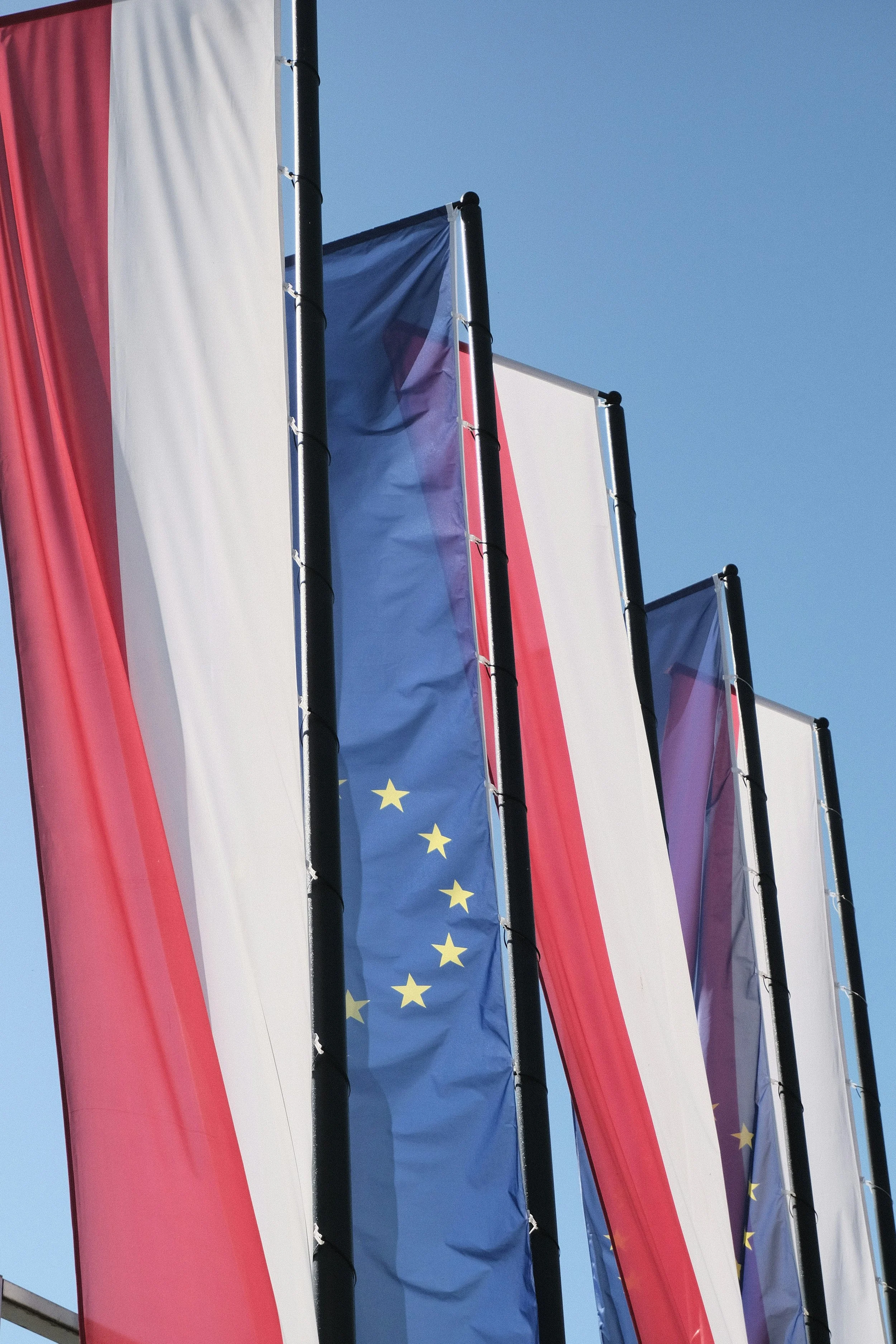
There is a tendency in political debate to treat compromise as evidence of weakness.
Yet, international relations, economic diplomacy and government rarely operate through absolute positions. Countries negotiate because their interests overlap, because their economies are interdependent and because many of the challenges they face cannot be addressed independently. That does not mean every agreement is desirable, nor that national sovereignty should be treated as an expendable consideration. It means that the value of a policy must be judged by its substance, its consequences and the interests it serves.
The ability to make decisions independently remains an important expression of democratic authority, but independence does not guarantee influence, just as cooperation does not automatically mean the surrender of control. The more useful question is whether a country has the capacity to shape the conditions in which its economic and political interests are advanced.
For Britain, that means understanding both the opportunities and limitations of its relationship with Europe, and t means recognising that geographical proximity, established supply chains, shared security interests and economic interdependence will continue to matter, regardless of the institutional arrangements governing the relationship.
It also means accepting that the public must remain part of the conversation. A sustainable political settlement cannot be built through economic arguments alone, particularly where the underlying issues are connected to identity, democratic choice and public confidence.
Pragmatism should not be an excuse for political evasion, it should be the basis for making difficult decisions openly, explaining the trade-offs and demonstrating why the outcome serves the country and its citizens.

The forthcoming UK-EU summit in Brussels on 20 November will provide an important opportunity to assess the direction of the relationship, and the discussions are expected to cover agrifood trade, emissions trading, youth mobility and wider cooperation, including security, energy and climate.
The significance of the summit will be measured by whether the arrangements produce meaningful benefits, whether their costs and obligations are understood, and whether they establish a credible basis for the relationship over the longer term. Britain needs an economic strategy that recognises the realities of international competition and the importance of its European relationships, and it also needs a political approach that respects the democratic authority of the public and acknowledges the social circumstances that continue to shape the Brexit debate.
Those responsibilities are not mutually exclusive, but neither are they easily reconciled.
The Government must be able to make a credible economic case for cooperation without dismissing legitimate concerns about sovereignty, migration, public spending and accountability, and it must also recognise that refusing practical cooperation for the sake of political consistency can carry its own economic costs.
For business leaders, the lesson is equally clear. Political developments should not be treated as distant events, separate from commercial decision-making, they shape the markets in which organisations operate, the relationships on which they depend and the conditions under which they can invest and grow.
Ultimately, the question facing Britain is whether the country can develop a relationship that advances its economic interests, preserves democratic legitimacy and commands sufficient public confidence to endure. The referendum established a decision, but it did not remove the responsibility to govern, adapt or make difficult choices in the national interest.
The challenge now is to build a future that respects the democratic choices of the past without allowing the politics of the past to determine every possibility of the future.