

In Conversation With Graeme Miller
From Leith to Leadership
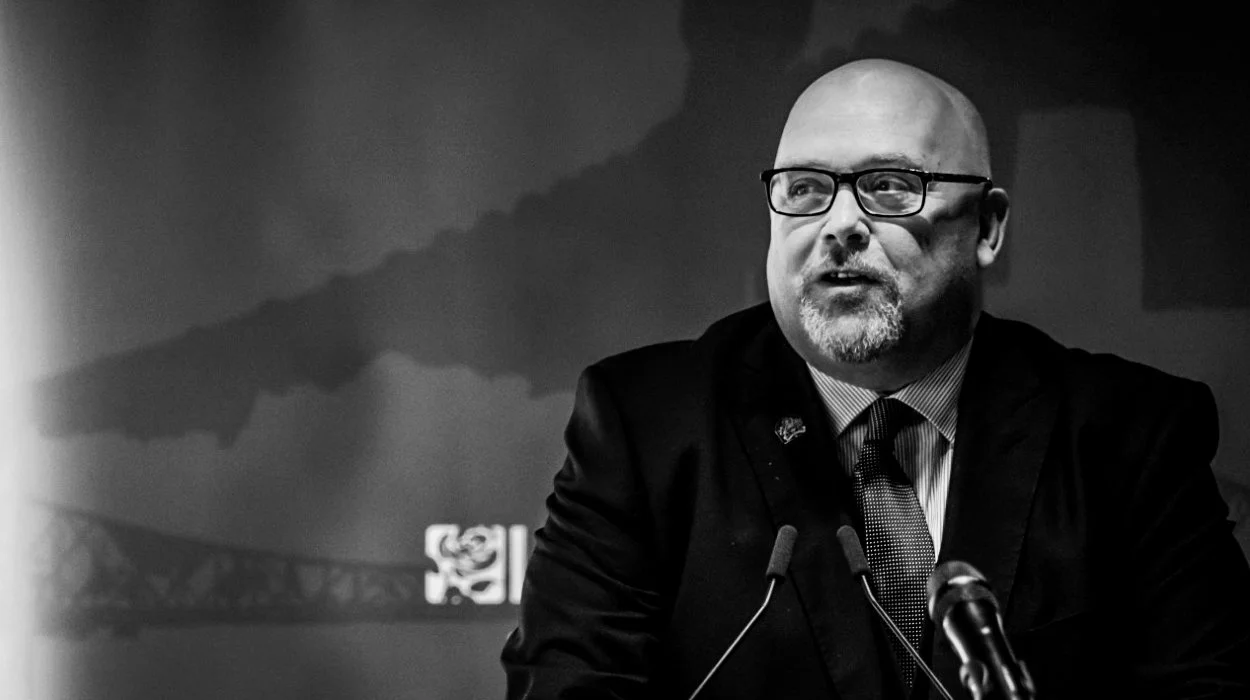
Graeme Miller
Leadership is often measured by titles, positions, and moments of recognition, but the reality is that true leadership is shaped long before anyone is watching - through experiences, challenges, mistakes, and the determination to keep moving forward.
Graeme Miller, a leader whose journey has been defined not by privilege or a predetermined path, but by hard work, resilience, and a commitment to making a difference.
Growing up in Leith during the 1960s and 1970s, Graeme experienced a very different Scotland to the one many know today. Encouraged by his family and teachers to embrace opportunities and expand his horizons, he built a career across business, charity, politics, and public service - eventually becoming Leader of Sunderland City Council.
Yet behind the titles is a story of reinvention. A self-described “rough diamond” who learned through mistakes, mentors, and experience, Graeme’s approach to leadership has always centred around people: listening, empowering teams, and understanding that success is rarely achieved alone.
Now, through We Build Bridges in partnership with Nick Kemp, Graeme is taking his decades of experience across politics, business, regeneration, and governance into a new chapter - one focused on connecting ambition with delivery and helping unlock the potential of the North East.
In this conversation, we explore the journey behind the leader, the lessons learned along the way, and why the future belongs to those willing to build.
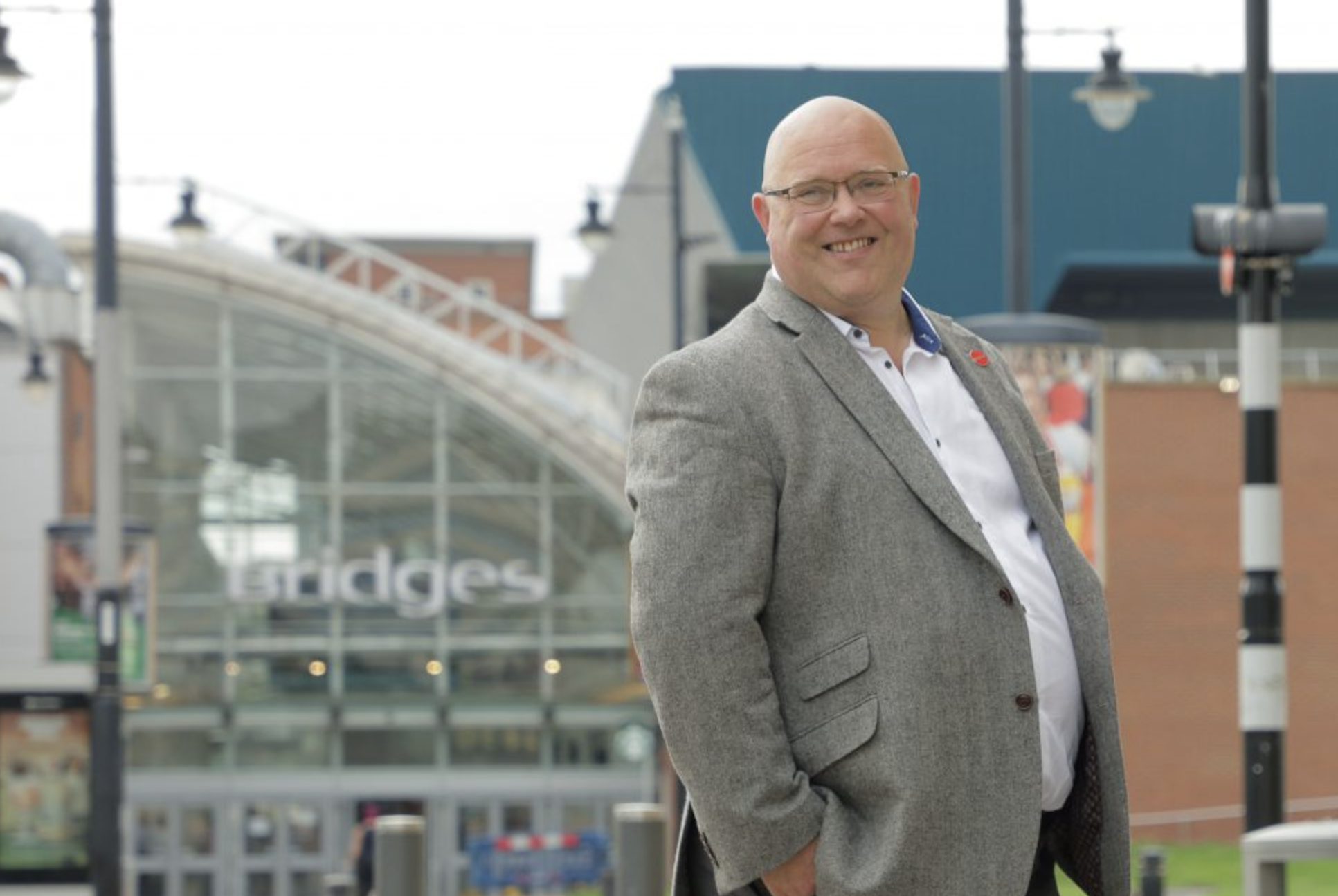
Graeme Miller
When you strip away the titles, positions, and public roles - who is Graeme Miller, and what experiences have shaped the person you are today?
A relaxed, generous, kind and compassionate human being. Always working, sometimes with cleverer, better people made me realise that getting the task done was the key matter, being part of a successful effort was equally as rewarding as a solo effort, sometimes more so.
You grew up in Leith and have spoken about having to work your way up. How much of who you are today stems from those early experiences and the determination to create opportunities rather than wait for them?
I am that presbyterian work ethic Scot that my mother and father spent my early years drilling into me. Leith in the 60’s and 70’s was a crime ridden slum by comparison to the vista it shows the world today. Being a teenager, getting my O and H levels at school, going onto Napier College to get a science qualification, all of it was supported by a loving family, and great teachers at Trinity Academy. But the key driver was everyone saying grab what comes before you and run with it. There were very few opportunities in Leith back then and I was being told ‘Get out and expand your horizons’.
Looking back at the younger version of yourself, what do you think he would find most surprising about the life you’ve built?
That I’d stayed on the straight and narrow, that I’d moved to England and stayed there for 35 years now. That I’d always worked but my career focus had changed several times over the years and that I’d gone into politics and ended up a Scotsman being Leader of Sunderland city council an English council for six years.
Was there a defining moment when you realised you wanted to influence more than just your own career - to contribute to communities and places?
I’d been approached to be a Labour candidate back in 1996. My work commitments and having young children would not allow me to act on that offer. So, when asked again in 2006 I accepted the opportunity. By then I was running my own business, the kids were self-managing teenagers, my wife was supportive of the challenge. So, I decided to stand as a Councillor to give something back to the community, public service if you will, given that Sunderland had been very supportive to a migrant Scots family and made us feel very welcome.
Graeme Miller
Many people see leadership positions as the destination, but rarely see the journey behind them. What were some of the moments where you had to fight harder, prove yourself, or overcome assumptions about where you came from?
I always wanted my role whatever it was to be challenging, to ask more of me, to make me better, faster, stronger etc. I made mistakes as a young credit controller, ego and arrogance a heady mix that will and did in my case blow up in my face. I was very lucky in that my boss at the time, took the blame of my shoulders and stood by me. It was a huge learning curve that I learned a great deal from.
Do you think your journey has influenced the type of leader you’ve become?
Without a doubt. I have had some great people as my boss, they taught me many people skills over the years, smoothing that ‘rough diamond’ down. I learned that a team approach works better where everyone benefits from success and shares the pain of failure equally, I learned that it is better to work with your people rather than them working for you, more respect and consideration all round. But in the end a leader must make decisions, sometimes there is no good outcome, only the least bad scenario.
What is one lesson you learned early in your career that still influences how you lead today?
Loyalty and learn from your mistakes. If you are loyal to your people, they will be loyal to you and having made some ‘whoppers’ of mistakes in my past and benefitted from bosses who were loyal to me as a valuable member of their team, always try to emplace that solid reliable team spirit, show loyalty to them it will be ‘repaid in spades’.
Success often looks inevitable when viewed from the outside. What has been the reality behind your journey that people may not see?
Success is based on hard work, there are many dead-ends, errors of judgement and failures in logic, but you must persevere and learn. And listen more than you speak, especially when smart people are in the room, that is why you asked them to be there.
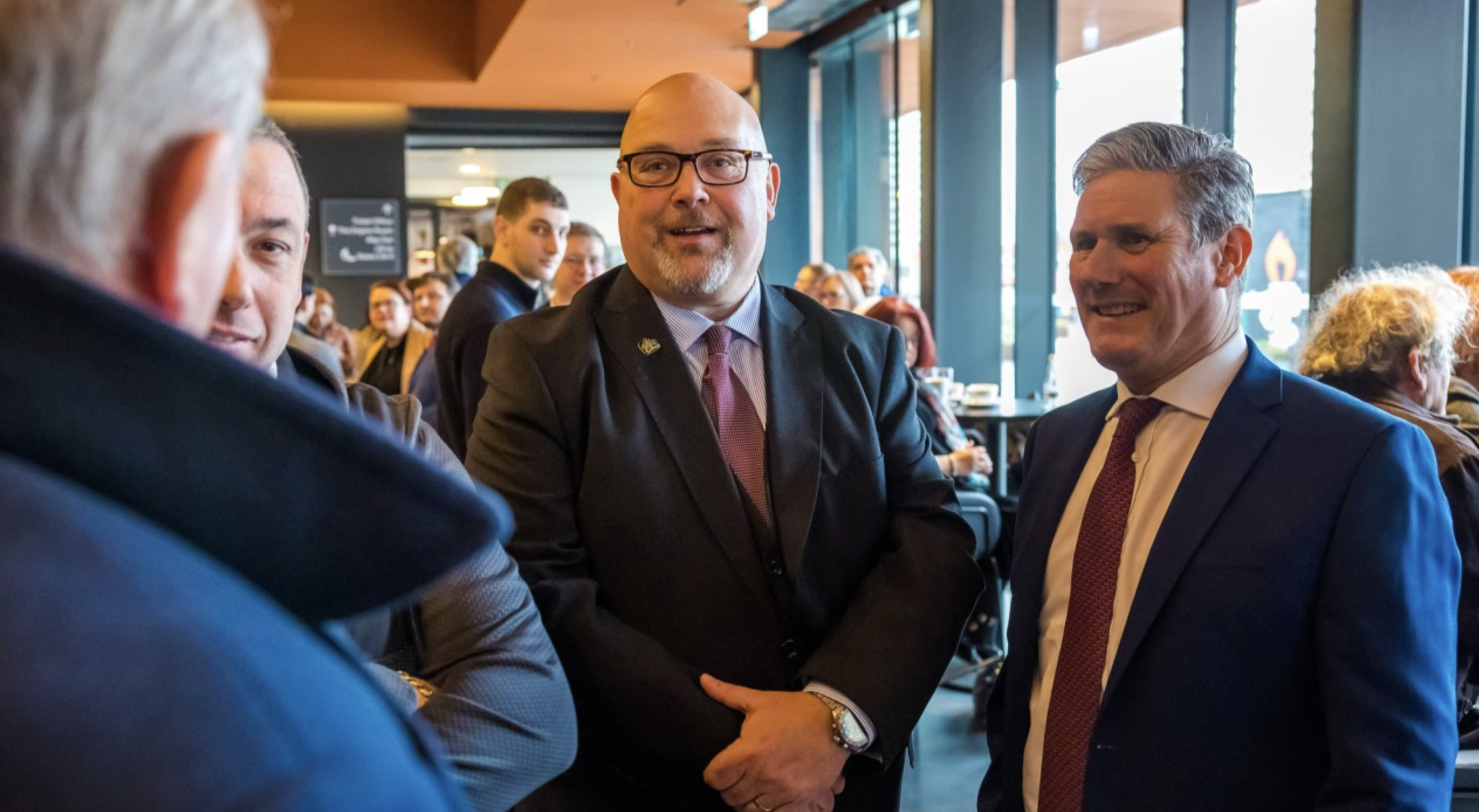
Graeme Miller I Sir Keir Starmer
Leadership is often associated with authority, but the best leaders often talk about responsibility. What does leadership mean to you?
Leadership is not just about being the boss; it is so much more than that. Yes, you have the power to make the decisions but, have you brought your people with you on that decision making journey? It is about certainty, truth and knowledge, the marketplace must trust what you say and what you do. This applies to your people as well, so training them to the highest level, giving them great terms and conditions, allied to good pay, rewards everyone including you. If the boss is the apex of the pyramid, it is a strong solid base that holds you there and adds to your image to the outside world.
You have spent years working where people, politics, and place intersect. What have you learned about what communities actually need from those making decisions?
Communities need certainty they need to be communicated with and listened to, then you must deliver what they expect in good time. Most of the public never think about politics until they have a problem. Then they contact their local Councillors or MPs to fix it for them. At that stage you must ascertain what the truth of the situation is and if you can resolve the matter speedily. If you cannot deliver what they expect a prompt reply to their situation explaining the outcome is still appreciated.
Public life often comes with scrutiny and pressure. How do you stay grounded when your work is constantly visible and open to challenge?
Many good people who become politicians find out the role is not what they expected and do not stand again or resign. The role is not for everyone. Public service is very demanding, your behaviour is bound by the Nolan Principles of Public Life, you may have a council constitution to adhere to. You may not like phone calls, e-mails, SM postings being trolled by your political opponents and there are some vile people out there who try to make your life a misery. You also have your council decision making scrutinised by a network of Scrutiny Committees who question decision making and this is right, good and necessary. But it does add stress to your day, and some people just do not want that.
What’s the hardest part of leadership that people rarely talk about?
The sheer energy involved in giving pastoral care to your team/people when they need your support. I learned this when I worked for Equifax that the key integral role of a Senior Manager was to support their team so that the whole team won. It was a bottom-up process with every level achieving its target enabling the level above it to hit theirs. Taking phone calls, dealing with e-mails, having personal face to face meetings at all hours of the day and night, every day including weekends can be relentless. All that works pays great dividends over time, however.
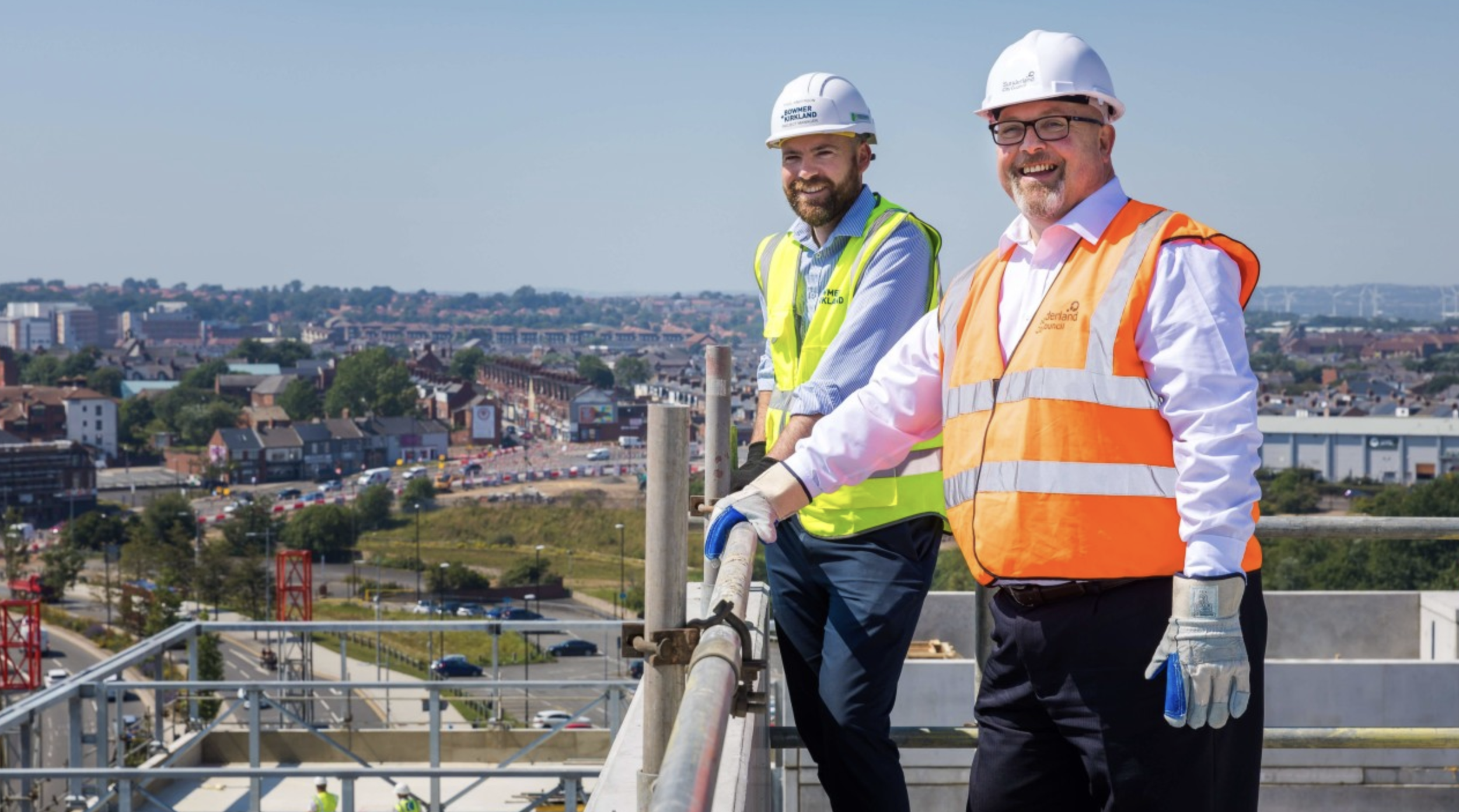
Graeme Miller
The North East is often described through what it lacks rather than what it creates. What do you think people misunderstand about the region?
That the North East is full of flat cap wearing, whippet owning ex-miners and shipyard workers. They have no idea of the creativity that exists throughout the North East, and we have so moved on from the heavy industry days of the 70’s and 80’s. We are a well spring of modern creative businesses, from Nissan and its automotive supply chain, through our port network that is delivering 21st century power solutions from the Dogger Bank wind turbines in the North Sea, and so much more.
What excites you most about the future of the North East - and what needs to change to unlock its potential?
It will be interesting to see where devolution is going to take us. The Strategic Mayoral Authority needs to match words with deeds and indeed link finance to necessary projects to drive coordinated change. Having more layers of government does not necessarily deliver improved governance or performance, so if this is understood we have a great chance of unlocking our potential.
You have spent much of your career focused on turning ambition into delivery. Why do you think so many big ideas fail to become reality?
People do not focus on ensuring the ‘first domino’ principle is fully understood by all parties. If you pick the wrong domino as your starting point, your project whatever it is will stall. Link this to poor communications and those are the two main reasons why big ideas fail. If potential partners, investors, government are all not singing from the same hymn sheet, it becomes discordant and chaotic.
When you think about regeneration, growth, and investment, what does meaningful progress actually look like for the people who live there?
People want to see new housing for the young, families, the old and infirm, they want to see a spatial strategy that delivers roads and pavements, buses, trains, cars, cycling and walking. They want easy access to new and better jobs, schools and learning for their children and themselves. They want doctors, dentists, cafes, restaurants, bars and clubs, health provision all easy to get to and affordable. They want to see clean streets, safe places to go and access to family based areas so that everyone can access what they need.
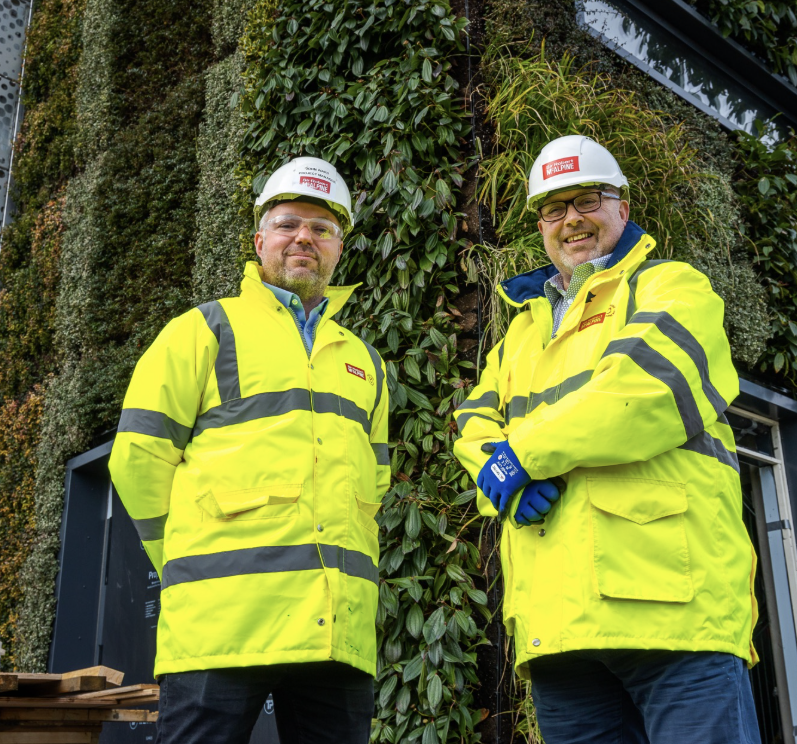
Steve McIntyre I Graeme Miller
We Build Bridges is centred around connecting ambition with delivery. What gap did you see that made you think: “something needs to change”?
The disconnect between political choices and business need, is primarily down to a lack of understanding between business, politics and local government. We Build Bridges between Nick, my co-founder and I have decades of political leadership and business experience, we also can point out and say ‘Look at that’ we walk the walk and talk the talk, not everyone has that ability.
After years of experience in leadership and public service, what made this the right time start this new venture?
To be blunt, the writing was on the wall for the Labour party in Sunderland. I knew I was about to become an ex-councillor in the recent May local elections. So, the timing of the new venture coincided with both Nick and I leaving the political sphere. Both of us felt the need to try and address the failures of the current system, to try and help the North East be the best it can be.
What does “building bridges” mean to you personally - beyond the name?
Belief that we can deliver something new into the consultancy market, based on our lived experience and history of delivery on transformation and regeneration of Sunderland and Newcastle with a myriad of government, private sector, public sector and finance partners.
When you look back years from now, what would make you say: “we genuinely changed something”?
We will have to wait and see if we can deliver a new paradigm, let’s wait and see!
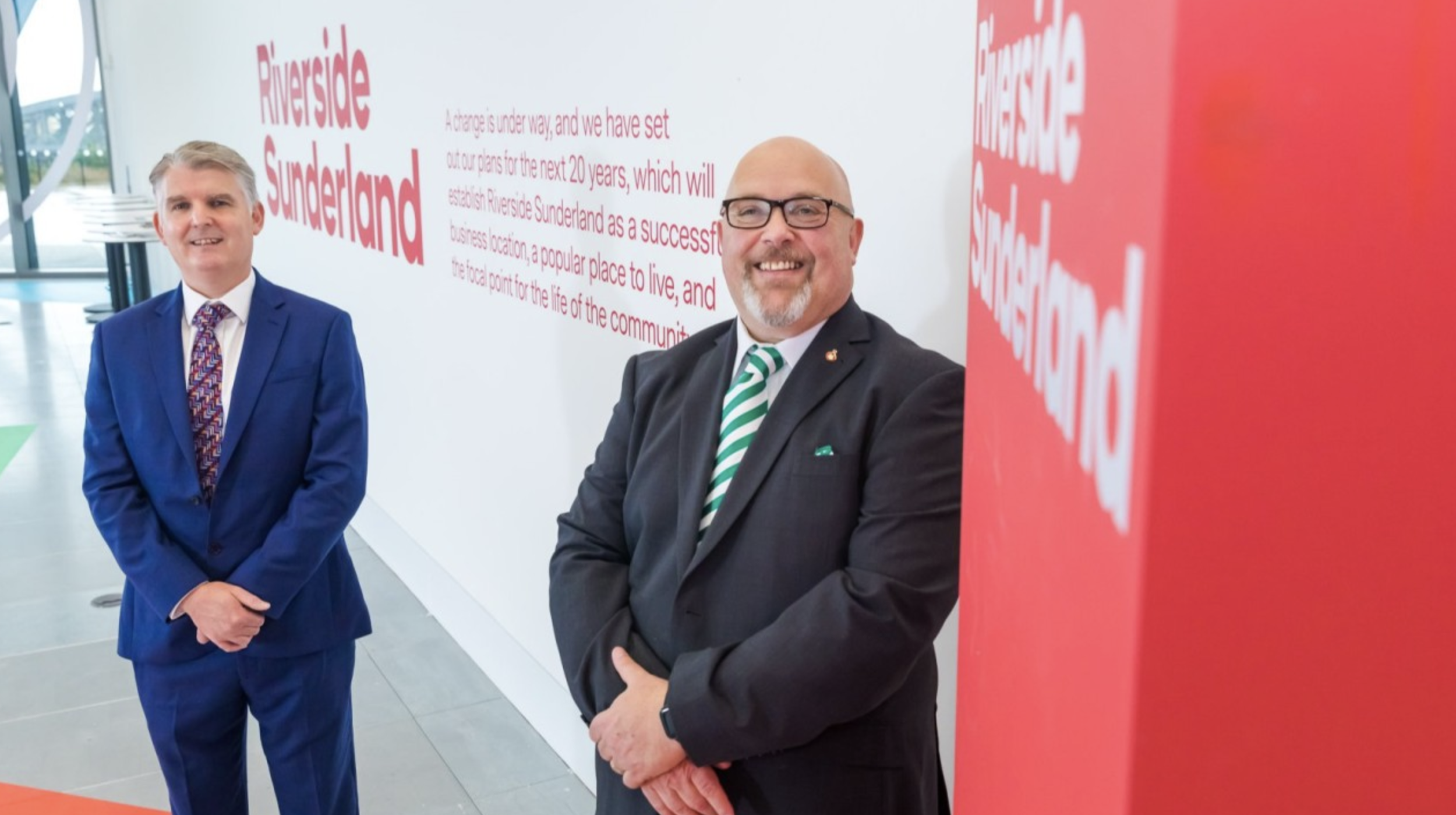
Patrick Melia OBE I Graeme Miller
What is a belief you held earlier in life that has completely changed as you’ve grown?
Its not all about me and money. I chased the money back in the 90’s and early 2000’s it did not make me as happy as I thought it would make me, and I realised you can become a selfish, greedy ******. Realising that I wanted to give something back, public service and all it entails, focus more on friends and family, that is what is important.
What’s a challenge you faced that you now realise shaped you for the better?
I am very flexible in my ability to get a job done. Moving from credit control, to sales, to the charitable sector to becoming a Councillor, running my own businesses in the background, all of this prepared me for future shocks.
Do you think ambition is something people are born with, or something created by circumstance?
Created by circumstance, my sister and I, same parents; I became ambitious to achieve, whatever the hell that meant, my sister did not. Sane gene pool different outcomes personality wise.
What keeps you motivated after decades of public service, leadership, and responsibility?
What else is there? Once you are in your wooden jacket there are very limited dancing opportunities, and I still like the challenge of it all.
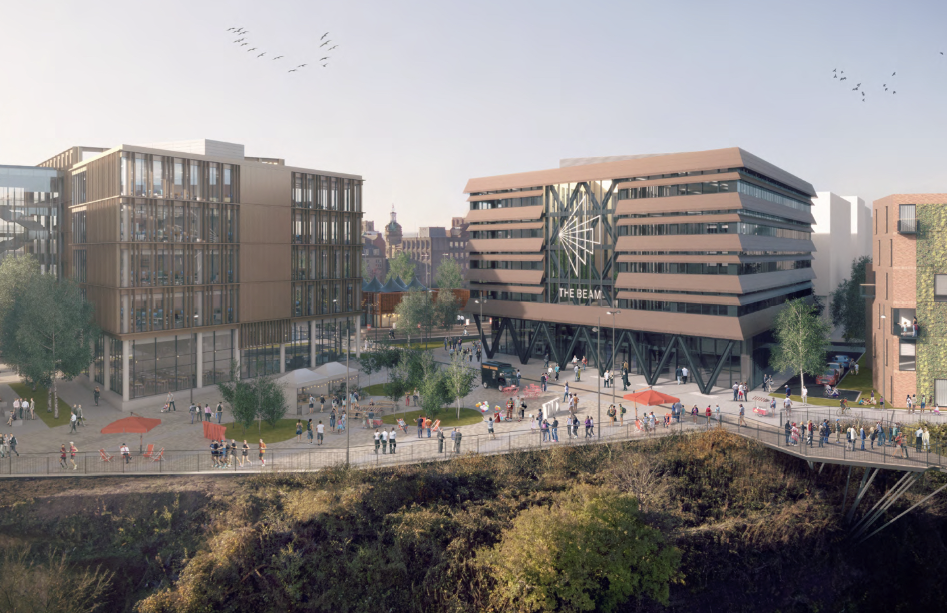
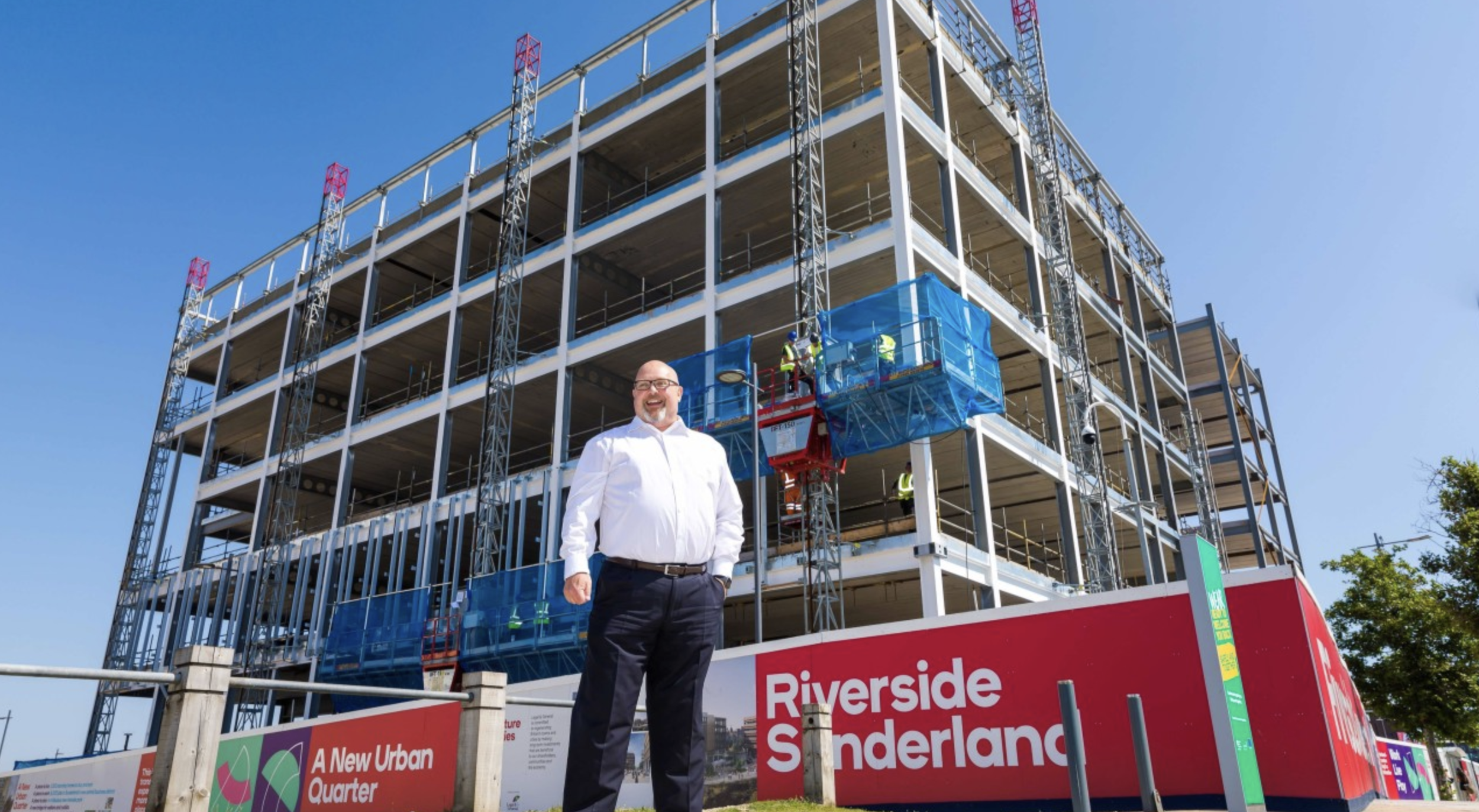
Riverside Sunderland
What kind of legacy are you hoping to leave - not in terms of titles, but in terms of people and places?
I would like to think most people who know me through work and politics will say that “I mean what I say, and I say what I mean” and that I always deliver. The transformed ongoing regeneration of Sunderland is testament to this leadership with a great team still delivering to this day on the city plan drawn up in 2018, and implemented from 2019.
If someone from a similar background to where you started was reading this and thinking “people like me don’t get those opportunities” - what would you want them to know?
If you don’t go for it, you will never achieve! If you do go for it you might succeed, how will you know unless you stretch yourself to go for it. Every failure teaches you more and strengthens your abilities for the next time. No regrets surely!
What are you most excited to build next?
If the dominos fall the right way I might build my consultancy into a regional and then national source of advice and guidance to the business and political community, or I might just build a house in Spain with my wife and retire to have many dogs, fish and shoot, it’s a toss-up. Life eh?
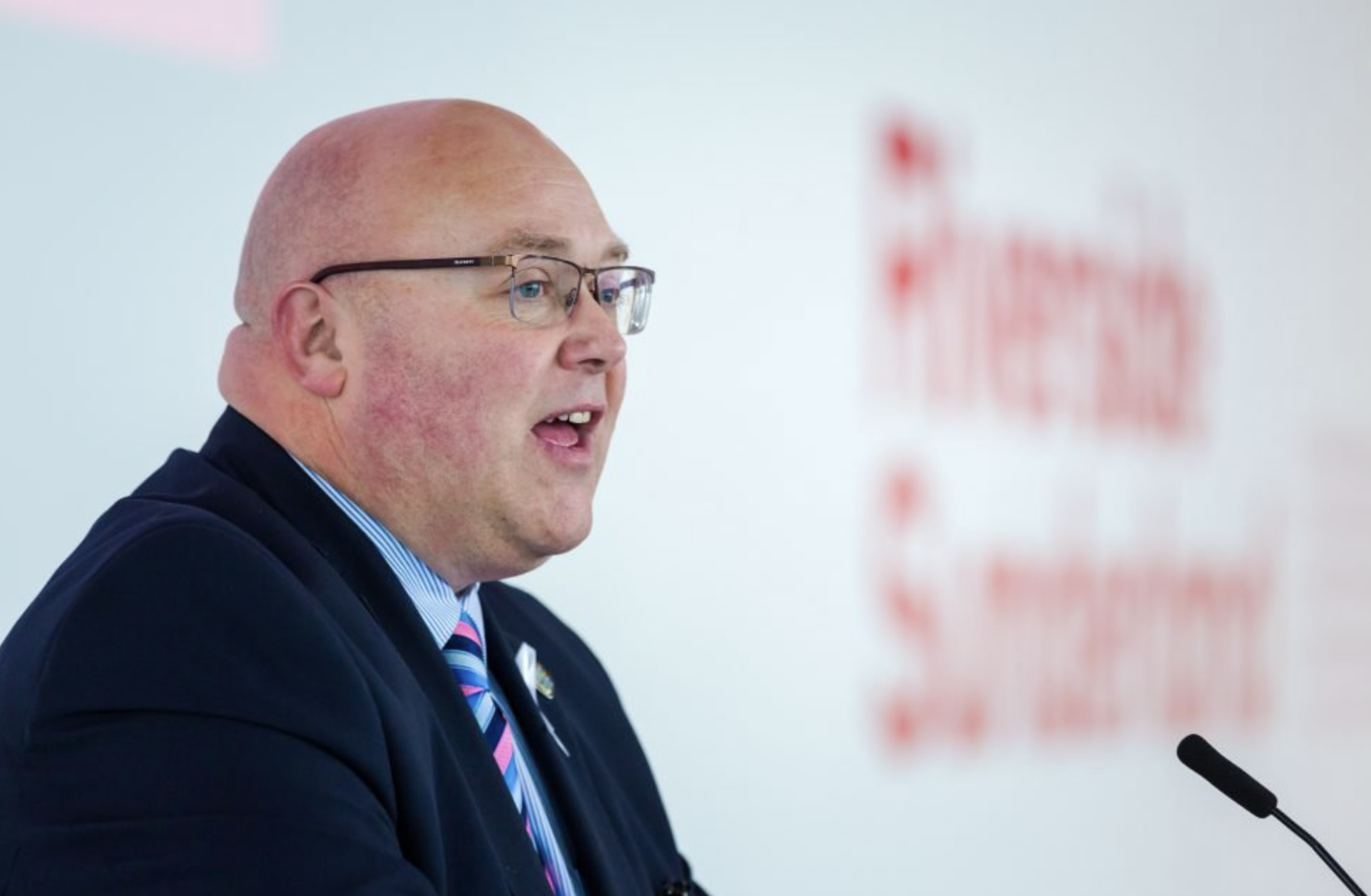
“Leadership is not about having power, it is about being empowered to achieve.”
One thing you are currently reading, watching, or listening to:
Watching House of Dragons Season 3
Reading The 33 Strategies of War by Robert Greene
I dug my old vinyl collection out when I got a new record player earlier this year, listening to all that prog rock, heavy metal, and 80’s rock and pop that I grew up with at the disco.
One thing you wish more people understood about leadership:
Its not about having power, it is about being empowered to achieve.
One word you are living by this year:
Belief.
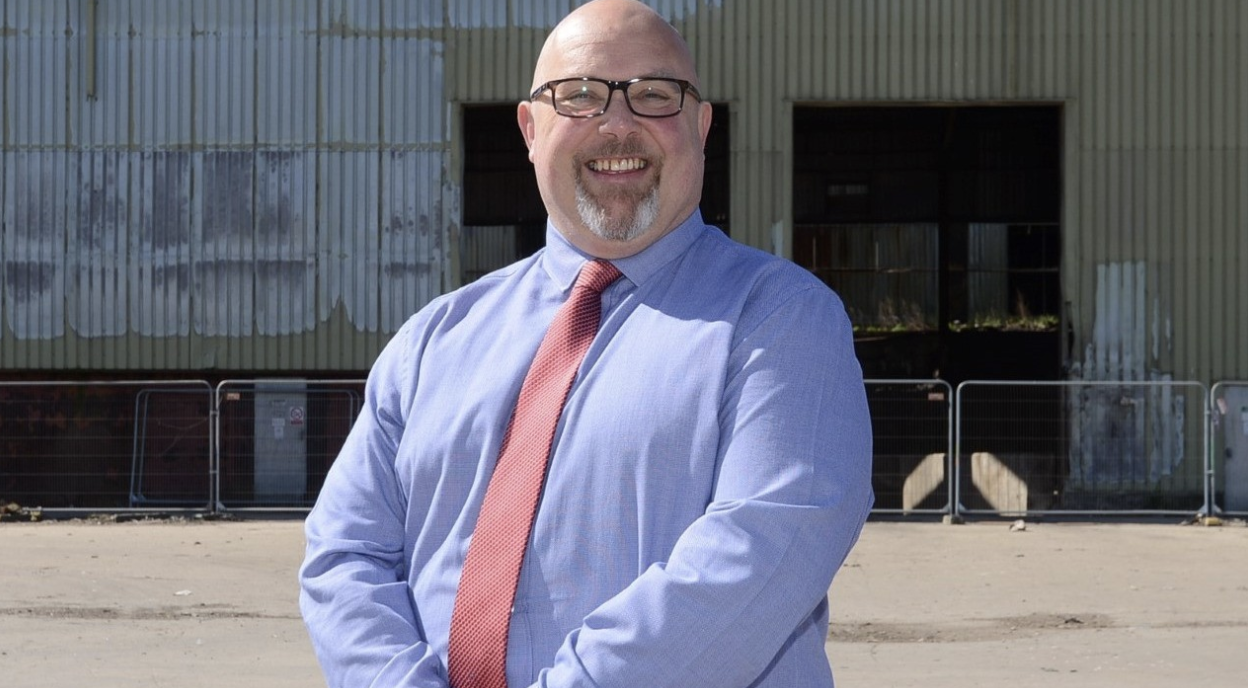
Graeme Miller
Much like the very city he led, Graeme's story is ultimately one of transformation.
From a young man growing up in Leith, encouraged to “grab what comes before you and run with it”, to a business leader, councillor, and city leader responsible for helping shape Sunderland’s present and future; his journey reflects a belief that opportunity is something to pursue - not something to wait for.
The values through which Graeme leads have remained consistent throughout: loyalty, humility, resilience, and a belief that leadership is about empowering others.
For Graeme, success has never been about standing at the top of the pyramid, it is about building a strong foundation beneath it - creating teams, communities, and partnerships that can achieve more together than any individual could alone.
As he enters this next chapter with We Build Bridges, his focus remains unchanged: turning ambition into action, connecting people who need to work together, and helping the North East realise its potential.
Whether the next domino leads to a national consultancy or a quieter life in Spain surrounded by dogs, fish, and fresh opportunities, one thing is clear - Graeme Miller’s story has always been about embracing the challenge, learning from the journey, and leaving things better than he found them.